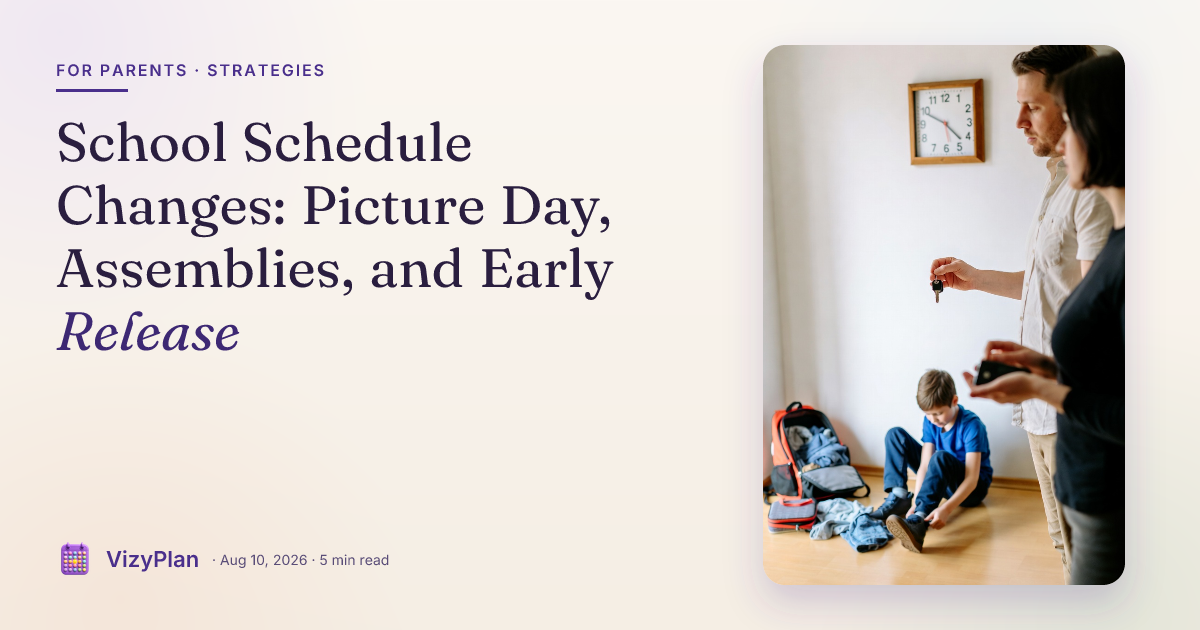


Your neurotypical child has not complained in a while. They are doing fine in school. They get themselves dressed in the morning. They do not need to be reminded five times to brush their teeth. They eat what you put in front of them without a sensory crisis. They do not have a meltdown when plans change. So you assume they are okay.
And maybe they are. But maybe they stopped telling you when they are not, because they learned a long time ago that there is always something more urgent happening with their sibling. Maybe they have gotten so good at being easy that you forgot they still need you to look at them, really look at them, and ask how they are doing.
Researchers have a name for these children. They call them glass children, because their parents look right through them. Not out of cruelty. Not out of neglect. Out of sheer survival. When one child in the family requires intensive daily support, the child who does not starts to disappear. And by the time anyone notices, the damage may already be shaping who they are becoming.
What the Research Actually Says
This is not parental guilt dressed up as science. The data is clear and it should get your attention.
A 2012 meta-analysis examining 52 studies on the psychological functioning of siblings of children with chronic illness or disability found that these siblings face measurably negative mental health effects. The most significant finding was that siblings are especially vulnerable to internalizing problems, meaning they suffer quietly. They develop anxiety. They develop depression. And they do not ask for help, because asking for help feels like adding to a family that is already stretched past its limits.
Research published by The Transmitter found that siblings of autistic children fare worse socially and emotionally than siblings of children with intellectual disability or other forms of developmental delay. They are more likely to be withdrawn. They are more likely to have poor social skills. The effect is not just about having a sibling with a disability. There is something specific about the autism experience, the unpredictability of meltdowns, the rigidity around routines, the intensity of sensory needs, that creates unique pressure on the siblings who live alongside it.
A systematic review in the Journal of Community and Applied Social Psychology examined the lived experiences of glass children and found that many reported feeling neglected by their parents, experiencing tumultuous sibling relationships, and having their life trajectories profoundly altered, including their mental health, career choices, and sense of identity. The researchers concluded that many of the negative outcomes were not the direct result of their siblings' conditions, but rather the consequences of insufficient understanding and support.
That distinction matters. The problem is not that your neurodivergent child exists. The problem is that nobody taught the family how to hold space for everyone.
What Glass Children Actually Experience
The term "glass child" was popularized by Alicia Maples in her 2010 TEDx talk. She described it as the experience of being the sibling who appears fine, who is functioning, who is not the one in crisis, and who therefore becomes invisible to the very people whose attention they need most.
Here is what that looks like from the inside of the child's experience.
They Learn to Shrink
Glass children learn very early that their needs come second. Not because their parents say so, but because they observe it every single day. The morning routine revolves around getting their sibling through transitions without a meltdown. Dinnertime is structured around their sibling's safe foods. Weekends are organized around therapy appointments. Vacations are planned (or cancelled) based on what their sibling can tolerate.
None of this is wrong. All of it is necessary. But the neurotypical child absorbs a message that nobody intended to send: your needs are less important because they are less urgent. Over time, they stop expressing needs at all. They become the easy child, the low-maintenance child, the child who never asks for anything, and adults praise them for it, which reinforces the pattern.
They Carry Emotions They Cannot Name
Your neurotypical child loves their sibling. They also resent their sibling. They feel protective and frustrated. Proud and embarrassed. Worried about the future and angry about the present. These emotions exist simultaneously, and for a child who has been told (explicitly or implicitly) that their sibling "cannot help it," there is nowhere for the negative feelings to go.
Guilt becomes the default emotion. They feel guilty for being angry. Guilty for wishing things were different. Guilty for wanting their parents' attention. Guilty for being the one who does not need help. And that guilt, unprocessed and unnamed, becomes the soil where anxiety and depression take root.
They Become Parentified
Parentification happens when a child takes on adult responsibilities within the family. For siblings of autistic children, this can look like:
- Monitoring their sibling during meltdowns or aggressive episodes
- Translating their sibling's needs to other adults
- Giving up activities, friendships, or opportunities because someone needs to stay with their sibling
- Becoming their sibling's social bridge, explaining their behavior to peers or defending them from bullying
- Managing their own emotions to avoid adding stress to already-stressed parents
- Taking on household responsibilities that exceed their developmental stage
Research on parentification in families with disability found that it predicts emotional distress, substance use, and conduct problems over time. But the research also found something important: when social support exists and the child perceives benefits from their caregiving role, distress levels decrease significantly. Parentification is not inherently destructive. It becomes destructive when it is unacknowledged, unsupported, and unlimited.
They Worry About the Future
This one surprises many parents. Neurotypical siblings, even young ones, think about what happens when their parents cannot take care of their sibling anymore. They worry about whether they will be expected to become the primary caregiver. They worry about how their sibling's needs will shape their own adult lives, where they can live, what jobs they can take, whether they can have their own families.
These worries are not paranoid. They are realistic. And children who carry them alone, without any adult acknowledging that the future is a legitimate concern, carry a weight that no child should shoulder in silence.

The Signs You Are Missing
Glass children are expert hiders. They have been practicing invisibility their entire lives. But there are signals, if you know where to look.
Perfectionism
A child who never makes mistakes is not thriving. They are performing. If your neurotypical child holds themselves to impossibly high standards, ask yourself whether they learned that being perfect is the only way to earn attention that is not crisis-driven.
Excessive Independence
There is a difference between a child who is developing healthy independence and a child who stopped asking for help because they learned help was not available. If your eight-year-old manages their own morning routine, homework, and emotional regulation without any adult involvement, that is not maturity. That is a child who has given up on being parented.
Social Withdrawal
Some glass children pull away from friendships because they are embarrassed to invite friends over. They do not want to explain their sibling's behavior. They do not want their friends to see a meltdown. They do not want to be different. Research confirms this pattern: siblings of autistic children are more likely to have poor social skills and be withdrawn, not because of inherent deficits but because of learned avoidance.
Physical Symptoms
Headaches. Stomach aches. Trouble sleeping. Fatigue. Children who cannot express emotional distress often express it through their bodies. If your neurotypical child has recurring physical complaints with no medical explanation, consider whether their body is carrying what their words cannot.
Anger That Seems Disproportionate
When the easy child finally explodes, it often seems to come from nowhere. But it has been building for months or years. A small frustration becomes the container for every swallowed feeling, every cancelled plan, every time they sat quietly while their sibling's needs consumed the room. The explosion is not about the trigger. It is about everything the trigger represents.
Overachievement as Identity
Some glass children pour themselves into academics, sports, or other achievements because it is the only reliable way to get their parents' attention. If the only time your child feels seen is when they bring home an A or win a game, they are building their entire identity on performance. That identity is fragile, and it will eventually crack.
What Your Neurotypical Child Needs From You
You cannot create more hours in the day. You cannot split yourself into two parents. You cannot make your neurodivergent child's needs smaller. But you can do specific, research-backed things that make a measurable difference for your other child.
Enjoying this article?
Get practical tips and insights delivered to your inbox — no spam, ever.
Scheduled, Protected One-on-One Time
This is the single most important intervention. Not "we will do something together when we have time." Scheduled. On the calendar. Predictable. And when something comes up with your other child, you protect this time anyway. Even if it means asking someone else to step in.
Research on sibling relationships in neurodivergent families consistently identifies dedicated one-on-one time as the strongest predictor of positive sibling outcomes. But the key word is dedicated. Time that can be cancelled at any moment is not dedicated. It is conditional, and your child knows the difference.
Let them choose the activity. Let them have your undivided attention. Put your phone away. Do not talk about their sibling unless they bring it up. For thirty minutes, let them be the only child in the family.
Permission to Feel Everything
Tell your child explicitly: "You are allowed to be angry. You are allowed to be frustrated. You are allowed to wish things were different. None of those feelings make you a bad sibling. They make you a human being who is dealing with something hard."
Children need to hear this more than once. They need to hear it repeatedly, because the internal guilt is loud and persistent. Create regular check-ins where you ask open-ended questions: "What has been hard this week?" not "Are you okay?" because "Are you okay?" always gets a yes.
Age-Appropriate Honesty
Your neurotypical child lives in this family. They see everything. They hear the phone calls with insurance companies. They notice when you have been crying. They watch their sibling struggle. Pretending everything is fine insults their intelligence and tells them their observations are not valid.
Instead, give them truthful information at their developmental level. A five-year-old can understand: "Your sister's brain works differently, and that means she needs extra help with some things. That does not mean you need less. It means our family works harder to make sure everyone gets what they need."
A twelve-year-old can handle more: "I know you have noticed that your brother requires a lot of our energy. That is real, and I am sorry that sometimes it means you get less of us. We are working on that. I want you to tell me when you need more."
Their Own Support System
You are not the only adult who can support your neurotypical child. In fact, having support outside the family is often more effective because the child does not have to worry about burdening someone who is already stressed.
Sibshops are peer support groups specifically designed for siblings of children with special needs. A randomized controlled trial by Jones and colleagues, published in the journal Autism in 2020, found that siblings who participated in support groups showed significant improvements in the quality of their sibling relationship compared to a control group. A larger systematic review found that 70% of sibling intervention studies reported improvements in at least one outcome, with the strongest evidence for gains in self-esteem, social wellbeing, and knowledge about their sibling's condition.
Look for Sibshops or similar programs in your area. If none exist locally, online peer support groups for siblings are increasingly available. Your child does not have to be in crisis to benefit. Connecting with other children who understand their specific experience, without having to explain, is profoundly normalizing.
Consider individual therapy if your child shows signs of anxiety, depression, or chronic stress. A therapist who understands family dynamics around disability can help your child develop language for their emotions, coping strategies for their daily reality, and a sense of identity that is not defined by their role in the family.
A Role That Is Not Caretaker
Your neurotypical child can help with their sibling. That is reasonable. But help should be age-appropriate, time-limited, voluntary, and acknowledged. The problem is not the helping. The problem is when helping becomes the child's primary function in the family.
If your ten-year-old watches their sibling while you cook dinner, that is a reasonable family contribution. If your ten-year-old is responsible for managing their sibling's emotional regulation during meltdowns, that is parentification. If your teenager occasionally stays home to help with their sibling, that is being part of a family. If your teenager has stopped making plans with friends because they assume they will be needed, that is their identity being consumed by a caretaking role.
Draw the line clearly. Tell your child: "Helping is part of being in a family. But it is not your job. You are a kid. Being a kid is your job."
Celebrations That Are Theirs
When your neurodivergent child reaches a milestone, the family celebrates. And they should. But what milestones are you celebrating for your neurotypical child? If the only achievements that get airtime in your family are the ones that required extraordinary effort to reach, your neurotypical child learns that ordinary accomplishments do not matter.
Celebrate the science project. Celebrate the friendship. Celebrate the soccer goal. Celebrate the kindness they showed someone at school. Celebrate them on their terms, for their things, with the same enthusiasm you bring to their sibling's victories.
When Your Neurotypical Child Needs Professional Help
Some glass children need more than attentive parenting. Watch for these signs:
- Persistent sadness or withdrawal lasting more than two weeks
- Anxiety symptoms: excessive worry, physical complaints, sleep disturbance, avoidance of school or social activities
- Anger or aggression that is new or escalating
- Academic decline in a child who was previously performing well
- Self-harm or talk of self-harm, no matter how casual it seems
- Loss of interest in activities they used to enjoy
- Changes in eating or sleeping patterns
- Statements of hopelessness: "Nobody cares," "It does not matter," "Things will never change"
If you see these signs, schedule an appointment with a child therapist. Do not wait for it to get worse. Do not assume it is a phase. Your neurotypical child has been minimizing their pain for a long time. By the time it becomes visible to you, it has been building for longer than you realize.
For guidance on finding the right provider, our guide on finding a therapist for your neurodivergent child includes strategies for evaluating fit and navigating waitlists that apply to any child, not just the one with the diagnosis.
The Long Game: What Glass Children Become
The research on adult outcomes for siblings of autistic individuals tells a complicated but ultimately hopeful story.
Approximately 75% of adult siblings report that growing up with an autistic brother or sister positively influenced their career choice. They become therapists, teachers, social workers, advocates, nurses, special education professionals. They carry their childhood experience into work that changes other people's lives. The empathy, patience, and flexibility they developed under pressure become professional strengths that their peers cannot match.
But this positive outcome is not guaranteed. It depends on what happened during childhood. Siblings who received adequate support, whose parents acknowledged their experience, who had space to express their full range of emotions, and who were not consumed by a caretaking identity tend to channel their experience into purpose. Siblings who were unseen, unsupported, and overburdened tend to carry their childhood patterns into adulthood in less healthy ways: chronic people-pleasing, difficulty setting boundaries, anxiety in relationships, and a persistent feeling that their own needs are less important than everyone else's.
The difference is not the experience itself. It is whether someone saw them in it.
Building a Family Where Everyone Is Visible
VizyPlan was designed for the whole family. Building visual routines for your neurodivergent child creates structure that benefits everyone, including the sibling who has been absorbing the chaos without complaint. When morning routines are visual and predictable, the neurotypical child is not stuck waiting while every transition is negotiated. When emotional check-ins are part of the daily routine for one child, adding them for every child normalizes the practice and gives the glass child permission to say how they actually feel.
Create routines that include both children. Give the neurotypical sibling their own visual schedule, their own tracked emotions, their own space in the system. The message is: this family sees all of its members. Everyone's day matters. Everyone's feelings count.
You Are Not Failing. But You Might Be Missing Something.
If you recognized your family in this article, that recognition is not an indictment. It is information. And it is information you can act on starting today.
Your neurotypical child does not need a perfect parent. They do not need equal time, because equal time is not possible when one child requires more. What they need is to know that you see them. That you think about them even when you are not dealing with a crisis. That their feelings matter even when those feelings are inconvenient. That being easy does not mean being invisible.
Tonight, after the routines are done and the house is quiet, go sit with your other child. Not to fix anything. Not to have a big conversation. Just to be there, fully present, with nothing more urgent pulling you away. Look at them. Really look at them.
They have been waiting for you to do that for a very long time.
VizyPlan helps you build visual routines for every child in the family, track emotional patterns so no one falls through the cracks, and create a daily structure where every member of your household feels seen. Start your free trial and build a family system that holds space for everyone.