December puts more students in the gym than any other month. Winter assemblies, award ceremonies, spirit days and the pep rally before break all land in the same few weeks, and all of them happen in the loudest, most echoing room in the building. School assemblies and autistic students are a predictable mismatch, and almost every part of that mismatch can be planned for in advance.
The student who melts down twenty minutes into the awards ceremony was usually telling staff something on the walk in. The fix starts days before anyone sits down.
Why school assemblies and autistic students are a hard match
Sound is the main problem, and the research is consistent about how common the problem is. A 2021 meta-analysis in Ear and Hearing estimated that about 41% of autistic people currently experience hyperacusis, a reduced tolerance for everyday sound, and about 61% experience it at some point in life. Those are not rare cases on a caseload; those are most of the students staff are planning for.
Now add the room. A study of 68 school gyms in Portugal measured a median of 80 decibels during ordinary physical education classes, with long reverberation and almost no sound absorbing material. An assembly adds a microphone, a band, several hundred students and applause that arrives without warning. Unpredictable sound in a hard room is close to a worst case for a student whose hearing is already turned up.
Then add everything else an assembly asks for: sitting shoulder to shoulder on bleachers, an unknown run time, a schedule that skipped second period, and a crowd between the student and the door. Any one of those is manageable. Stacked together in one hour, they explain why the gym is where good weeks go to end.
A December plan for school assemblies
Planning for school assemblies and autistic students takes about ten minutes per event when it happens a week ahead, and much longer when it happens in the hallway.
- Tell the team the dates now. A single list of every December assembly, ceremony and rally, sent to case managers and paraprofessionals, is what makes everything below possible.
- Preview the event the day before. Show the student the gym empty, say what will happen in order, and name roughly how long it lasts. A short visual sequence of walk in, sit, clapping, names called and walk out turns an unknown hour into a known one.
- Pick the seat on purpose. The end of a row, close to an exit, on the lowest bleacher, with an adult on the inside. That seat is not a reward or a punishment; it is the accommodation, and it should be saved before the class arrives.
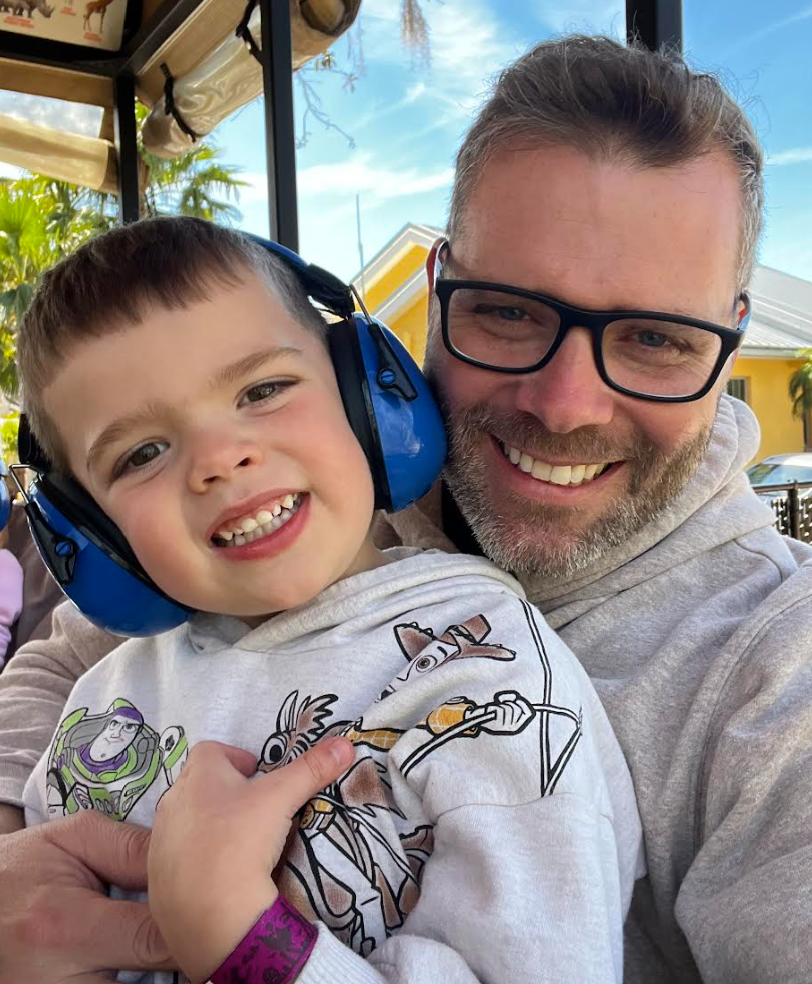
- Put headphones on before the noise, not after it. Small classroom studies of noise cancelling headphones have reported better attention and calmer responses for students with sound sensitivity. The timing matters more than the brand: on at the door, off in the hallway.
- Give the student a job. Handing out programs, holding the door, carrying a banner or sitting with the tech crew gives the hour a purpose and a position, and it often comes with a quieter spot.
- Offer partial attendance as a real option. Arriving for the first ten minutes, staying for one class award, or watching the livestream from a classroom are all valid ways to attend. A student who stays for the part that matters is participating.
- Agree on the exit signal in advance. A card, a hand sign or a single word that means "I need to leave now," and an adult who already knows where they are walking to.
- Tell every adult in the room, not just the case manager. The teacher on bleacher duty and the administrator at the microphone should know which student may leave early and that leaving is the plan working.
Enjoying this article?
Get practical tips and insights delivered to your inbox — no spam, ever.
What this is not
This is a different problem from the holiday concert, where the student is the one on stage. In an assembly the student is in the audience, which means less control over timing and more time spent waiting inside the noise. The fire drill planning many schools already do is the closer model: name the sound, plan the route, and rehearse the exit.
Most of the work happens in a sensory friendly classroom anyway. School assemblies and autistic students only collide when the plan stays in the classroom and the student walks into the gym without it.
A student who attended fifteen minutes, wore headphones and left on a signal had a successful assembly. When school assemblies and autistic students are planned this way, that outcome is worth writing into the plan so nobody treats it as a lesser one.
VizyPlan was built by an autism dad and an autism mom who is a licensed speech-language pathologist so the walk in, the seat and the way out can be a picture sequence a student reads at home the night before the assembly.
Share VizyPlan with your families so the assembly is previewed at home before it happens at school. The 7-day free trial lets a family try it first. If it helps, keep going for $6.99/month or $59.99/year.
VizyPlan was built by an autism dad and an autism mom who is a licensed speech-language pathologist who needed something that did not exist. Explore VizyPlan.