
Summer camp registration opens and your stomach drops.
Other parents sign up without thinking. You open the form and start calculating. Will they handle the transitions? What about the noise? Can the staff manage a meltdown? What happens during unstructured free time? Will they eat the food? Will anyone understand?
Here is the truth: many neurodivergent children can have transformative camp experiences. But it takes preparation that goes far beyond a packing list. And that preparation needs to start now, in April, not the week before camp begins.
Why Camp Matters for Neurodivergent Children
Camp offers something school often cannot: the chance to be part of a community in a less academically rigid setting. Research on structured recreation and autistic children shows positive outcomes in social connection, independence, and self-confidence when the environment is set up to support their needs.
The benefits are real. New friendships in a setting with different social rules than school. Physical activity in natural environments. Skill building in areas that are not graded. The experience of succeeding at something new.
But these benefits only materialize when the gap between what your child needs and what the camp provides has been thoughtfully bridged. That bridging is your job right now.
Choosing the Right Camp
Not every camp is the right camp. And the right camp for one neurodivergent child may be wrong for another.
Specialized vs. inclusive. Some camps are designed specifically for autistic or neurodivergent children, with trained staff, sensory accommodations, and modified programming. Others are general camps that welcome neurodivergent campers with accommodations. Neither is inherently better. The right choice depends on your child's support needs, social comfort level, and what kind of experience they want.
Ask the right questions. Before you register, ask: What is the staff-to-camper ratio? What training do counselors receive on neurodiversity? How do they handle meltdowns? Is there a quiet space for sensory breaks? How structured is the day? What happens during transitions? Can you provide a written profile of your child?
Talk to other parents. The best information about how a camp actually handles neurodivergent campers comes from families who have been there. Ask in your parent groups. Ask your child's therapists for recommendations. Ask the camp for references from neurodivergent families specifically.
Visit first. If possible, visit the camp before your child's first day. Take photos and videos of the spaces, the schedule board, the dining area, the bathrooms. These become your visual pre-teaching materials.
Building a Camp Profile
Create a one-page document about your child that camp staff can reference. Include:
Communication style. How your child communicates, what works and what does not, and how to tell when they are struggling even if they are not saying it.
Sensory needs. What overwhelms them, what calms them, specific sensory triggers to watch for.
Food. What they will eat, what they will not, whether they need reminders to eat or drink, any allergies or restrictions.
Transition support. What helps during changes in activity, how much warning they need, what signs indicate they are about to become dysregulated.
Strengths. What they love, what they are good at, what makes them light up. Staff who know your child's strengths can connect with them more effectively.
Emergency strategies. What to do if they melt down. What helps. What makes it worse. This is not a behavior plan. It is a survival guide for the counselor who has never met your child.
Visual Pre-Teaching: The Most Important Preparation
Your child needs to mentally rehearse camp before they physically arrive. Social stories and visual preparation are the most effective tools for this.
Create a visual schedule of a camp day. Using the camp's published schedule, build a visual representation of what the day will look like. Wake up, breakfast, first activity, snack, second activity, lunch, rest time, third activity, pickup. The more your child can see the structure, the less anxiety the unknown creates.
Show them the spaces. Use photos from your visit or the camp's website to create a visual tour. "This is where you will eat. This is the field where you will play games. This is the bathroom." Familiarity reduces threat signals in the brain.
Practice the hardest parts. If transitions are difficult, practice stopping a fun activity and starting something new. If separation is hard, practice drop-off scenarios. If meals with unfamiliar food create anxiety, practice eating with a lunchbox in a new setting.
Read or create stories about camp. A simple narrative about a child going to camp, having a hard moment, getting help, and then having fun normalizes both the challenge and the recovery. Your child needs to know that hard moments at camp are expected and survivable.
Use a visual countdown. A countdown calendar showing how many days until camp starts builds anticipation and reduces the shock of sudden change. Each morning, your child marks off a day and can see camp approaching gradually rather than appearing overnight.
Enjoying this article?
Get practical tips and insights delivered to your inbox — no spam, ever.
The First Day Strategy
The first day is the hardest. Plan for it.
Do the morning routine with extra support. This is not the morning to rush. Extra buffer time, familiar breakfast, the visual schedule for the camp day posted where they can see it.
Arrive early, not on time. Let your child see the space before it fills with people. Walk the route from drop-off to their group area. Find the bathroom. Find the quiet space. Reducing unknowns before other campers arrive lowers the anxiety baseline.
Keep the goodbye short and predictable. A long, emotional goodbye increases anxiety. Create a brief goodbye ritual: a specific phrase, a hand squeeze, a fist bump. Practice it at home so it feels familiar.
Tell them exactly when you are coming back. "I will be here at 3:00 PM, right after the last activity." If they have a visual schedule, point to the pickup spot on it. Predictability is regulation.
Expect a rough first day. And possibly a rough first week. This does not mean camp is wrong for your child. It means their nervous system is adjusting to a massive environmental change. Unless your child is in genuine distress that the staff cannot support, give it time.
During Camp: Staying Connected Without Hovering
Check in with staff, not just your child. Your child may not be able to articulate how camp is going. Staff observations fill the gaps. Ask specific questions: "How are transitions going? Is he eating? Does she use the quiet space?"
Track how your child is doing at home. Emotion tracking during camp weeks reveals whether the experience is sustainable. Some post-camp decompression is normal. Escalating distress over days is a signal to intervene.
Resist the urge to pull them out at the first sign of struggle. Struggle is different from suffering. A child who has a hard morning but recovers and enjoys the afternoon is learning resilience. A child who is in sustained distress with no relief is suffering. Know the difference.
When Camp Is Not Working
Sometimes despite all preparation, a camp experience is not right. Signs include:
Increasing distress over multiple days with no recovery. Regression in skills or behaviors at home. Physical symptoms like refusing to eat, sleep disturbances, or frequent illness. Your child explicitly asking not to go in a way that goes beyond typical resistance to change.
If this happens, it is not a failure. It is information. The camp was not the right fit, or the timing was not right. There will be other summers.
Start Now
The families who have the best camp outcomes are the ones who start preparation weeks or months in advance. Not packing. Not logistics. Emotional and sensory preparation that gives their child's nervous system time to adjust to the idea before the reality arrives.
April is not too early. April is exactly right.
Download VizyPlan and start your 7-day free trial today. Build visual routines for your child's camp day before it starts, track emotions and patterns during camp weeks to see how they are really doing, and create social stories that prepare them for every new experience camp will bring. If it helps, keep going for $6.99/month or $59.99/year.
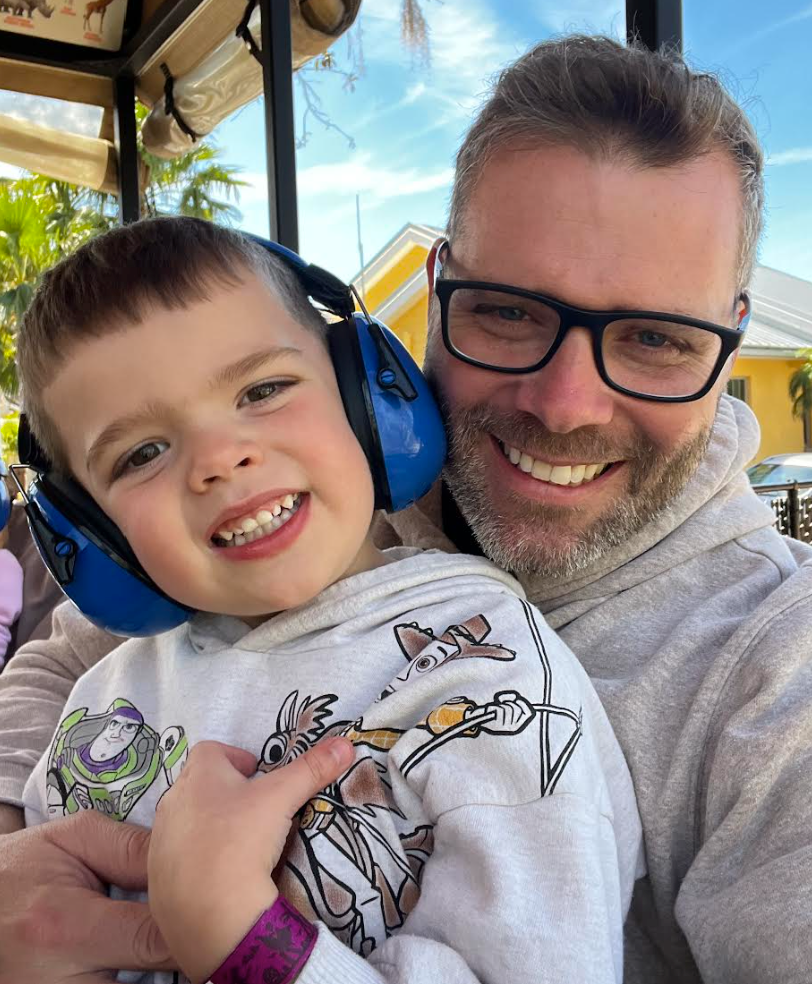
VizyPlan was built by an autism dad who sat on his living room floor and needed something that did not exist. Now it does. Start your free trial and give your child the tools to see their day and navigate it with confidence.