
The calendar says April, but your child's body already knows something is shifting. Maybe the meltdowns have gotten bigger. Maybe bedtime has turned into a battlefield again. Maybe they are clinging to you at drop-off for the first time in months.
The end of the school year is coming, and for neurodivergent children, it does not arrive on the last day. It starts now, weeks before the final bell rings, in subtle waves of anxiety that build until the whole routine collapses.
If you are reading this in late April, you are not too early. You are right on time. And the work you do in the next few weeks can make the difference between a summer that starts with chaos and one that starts with confidence.
Why the End of School Hits So Hard
For most kids, the end of the school year means freedom. Popsicles. Sleeping in. No homework. But for children who are autistic, have ADHD, or process the world differently, the end of school means something else entirely: the loss of the most predictable structure in their life.
Think about what school provides. A wake-up time. A drop-off routine. A schedule posted on the wall with times and transitions mapped out. A lunch that happens at the same time every day. Familiar adults. Familiar peers. Familiar hallways and smells and sounds.
Now imagine all of that disappearing in a single day.
Research on summer regression, sometimes called the "summer slide," shows that children with autism and ADHD are especially vulnerable to skill loss during unstructured breaks. A 2016 study published in *Autism Research and Treatment* found that children on the spectrum can lose weeks of behavioral and academic progress during summer months, particularly when routines are not maintained. The regression is not just academic. It is behavioral, emotional, and social.
But here is the part most parents miss: the anxiety about losing that structure does not wait for June. It starts the moment your child senses the shift. And they sense it before you do.
The Hidden Stressors of May and June
The last weeks of school are packed with events that are supposed to be fun but are actually a sensory and emotional minefield for neurodivergent kids.
Field days. Loud, chaotic, outdoors, with disrupted schedules and unfamiliar activities. For a child who relies on predictability, field day can feel like being dropped into a different school entirely.
Assemblies and award ceremonies. Crowded gymnasiums with echoing microphones, unexpected applause, and the pressure to sit still for extended periods. If your child does not receive an award, there is the added emotional weight of watching peers get recognized.
Classroom parties. Sugar, noise, unstructured social time, and the implicit expectation to "have fun" on demand.
Goodbye conversations. Teachers start talking about next year. Friends start talking about summer plans. The subtext your child hears: everything is about to change, and I do not know what comes next.
Schedule changes. The last weeks often bring modified schedules, substitute teachers covering for end-of-year meetings, and a general loosening of the structure that held the year together.
Each of these is a transition. And if your child struggles with transitions, the final weeks of school are not a celebration. They are a marathon of exactly the thing that is hardest for them.
Signs Your Child Is Already Feeling It
You might not connect the dots right away because the behaviors can look like "acting out" rather than anxiety. But watch for these patterns:
Increased meltdowns over small things. The real trigger is not the wrong color cup. It is the low-level dread of everything changing. When the emotional bucket is already full, even a small thing makes it overflow.
Sleep disruption. Trouble falling asleep, waking in the night, or early morning waking. Anxiety loves bedtime, because bedtime is when a child's brain has nothing else to focus on. If your bedtime routine has suddenly stopped working, this might be why.
Clinginess or separation anxiety. A child who was doing fine at drop-off suddenly does not want to let go of your hand. They are practicing the goodbye they are dreading.
Regression in skills. Toileting accidents. Forgetting routines they had mastered. Increased stimming. These are not steps backward. They are signs that your child's nervous system is overwhelmed and pulling resources from "higher" functions to manage the stress underneath.
Rigidity or controlling behavior. When everything feels uncertain, some children cope by trying to control the few things they can.
Emotional flatness or withdrawal. Not every child gets louder when they are stressed. Some get quieter. If your child has pulled back from activities they usually enjoy, pay attention. This is especially common in children who mask at school and come home depleted.
What You Can Do Right Now
You have a window. Use it. The strategies below are not about making the transition painless, because honestly, it will still be hard. They are about giving your child's brain the information it needs to feel safer in the shift.
Build a Visual Countdown
Children who struggle with time concepts need to see the transition coming. A visual countdown calendar that marks the remaining school days gives them something concrete to reference instead of a vague, anxiety-producing "soon."
This does not need to be complicated. A paper chain they remove one link from each day. A calendar with stickers. A visual schedule in VizyPlan that counts down the days and shows what is happening each week between now and the last day.
Enjoying this article?
Get practical tips and insights delivered to your inbox — no spam, ever.
Create Social Stories for End-of-Year Events
If your child has field day, an awards assembly, or a class party coming up, do not just tell them about it. Show them. A social story walks through what will happen, what it will look and sound like, and what your child can do if they feel overwhelmed.
You can build these in VizyPlan with images that match each step: "First, we will walk to the field. There will be loud music. I can wear my headphones. Then we will do three activities with my class."
Start Your Summer Schedule Now
Do not wait until June to figure out what summer looks like. Build a draft of your summer visual schedule while school is still in session. This does two things: it gives you time to think it through, and it gives your child a preview of what is coming.
You do not need every day planned. You need the bones: wake-up time, mealtimes, outdoor time, screen time boundaries, and any camps or activities. The summer regression research is clear that maintaining some structure, even a loose one, significantly reduces skill loss and behavioral challenges.
Show your child the summer schedule before school ends. Let them see it. Let them ask questions. Let them contribute ideas.
Talk About What Stays the Same
Transitions are terrifying because everything feels like it is changing. Counter that by explicitly naming what is not changing.
"You will still sleep in your bed. We will still have pancakes on Saturday. You will still see Grandma on Wednesdays. Your toys will still be here. I will still be here."
This sounds simple, but for a child whose brain is cataloging every change and flagging it as a threat, hearing what remains constant is genuinely calming.
Prepare for Goodbyes
For some children, the hardest part of the school year ending is leaving people behind. Their teacher. Their aide. Their one safe friend.
Do not minimize this. "You will see them next year" does not help a child who lives in the present moment and feels this loss as real and immediate.
Instead, create a goodbye ritual. Help your child make a card or a small gift. Take a photo with their teacher. If possible, arrange a summer playdate with their friend so "goodbye" becomes "see you later."
Use the "Then" Strategy for Hard Events
For every stressful end-of-year event, pair it with something your child can look forward to afterward. "First field day, then we get smoothies." "First the assembly, then we go to the park."
This is not bribery. It is a co-regulation strategy that gives the brain a landing pad on the other side of the hard thing.
Check In With Their Body
Your child may not be able to articulate "I am anxious about summer." But their body is talking. Help them notice it.
"I see your shoulders are up by your ears. I wonder if your body is feeling worried about something."
Tracking emotions during this transition period can help you spot patterns and identify which specific changes are driving the most distress.
The Gift of a Gradual Transition
There is a reason therapists talk about "transition plans" and not "transition moments." Transitions are not events. They are processes. And the children who do best are the ones whose parents start the process early.
You are reading this in late April. You have weeks, not days. That is a gift.
Use those weeks to build the bridge between school and summer, one visual, one conversation, one social story at a time. Your child's brain is already working on this transition whether you help or not. The question is whether they do it alone in a swirl of anxiety, or whether they do it with you, with tools, with a plan they can see.
You cannot make the last day of school easy. But you can make it expected. And for a neurodivergent child, expected is everything.
Download VizyPlan and start your 7-day free trial today. Build visual countdowns and summer schedules your child can see, create social stories for end-of-year events, and ease every transition between now and the last bell. Just $6.99/month after your trial, no credit card required upfront.
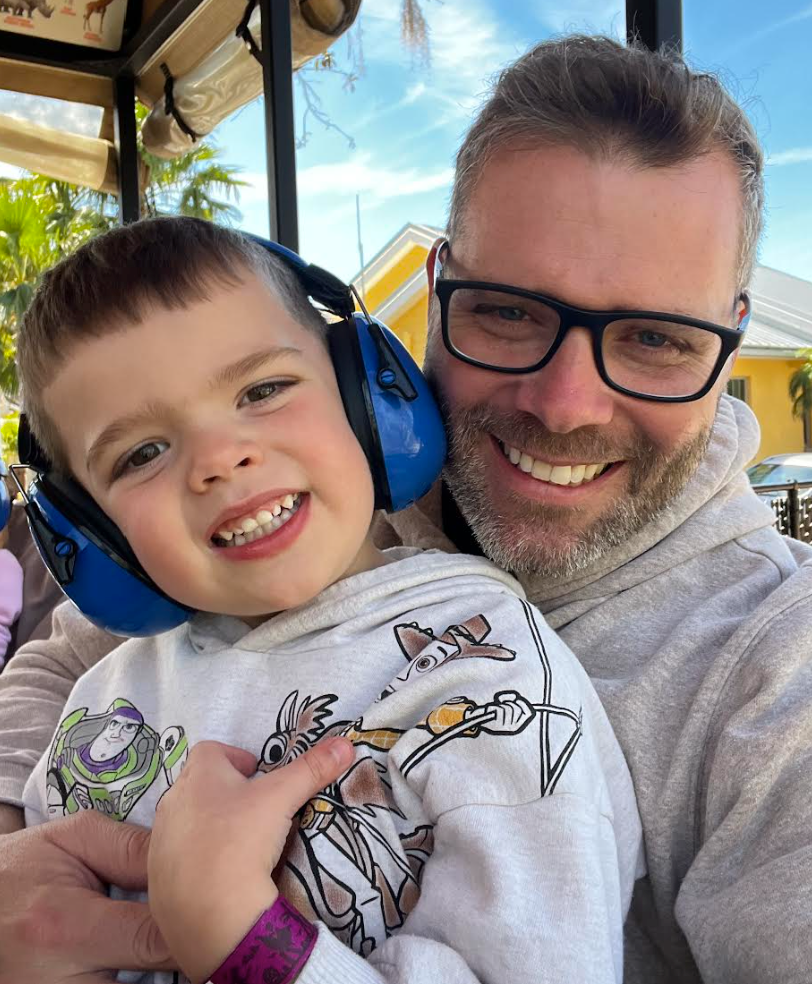
VizyPlan was built by an autism dad who sat on his living room floor and needed something that did not exist. Now it does. Start your free trial and give your child the tools to see their day and navigate it with confidence.