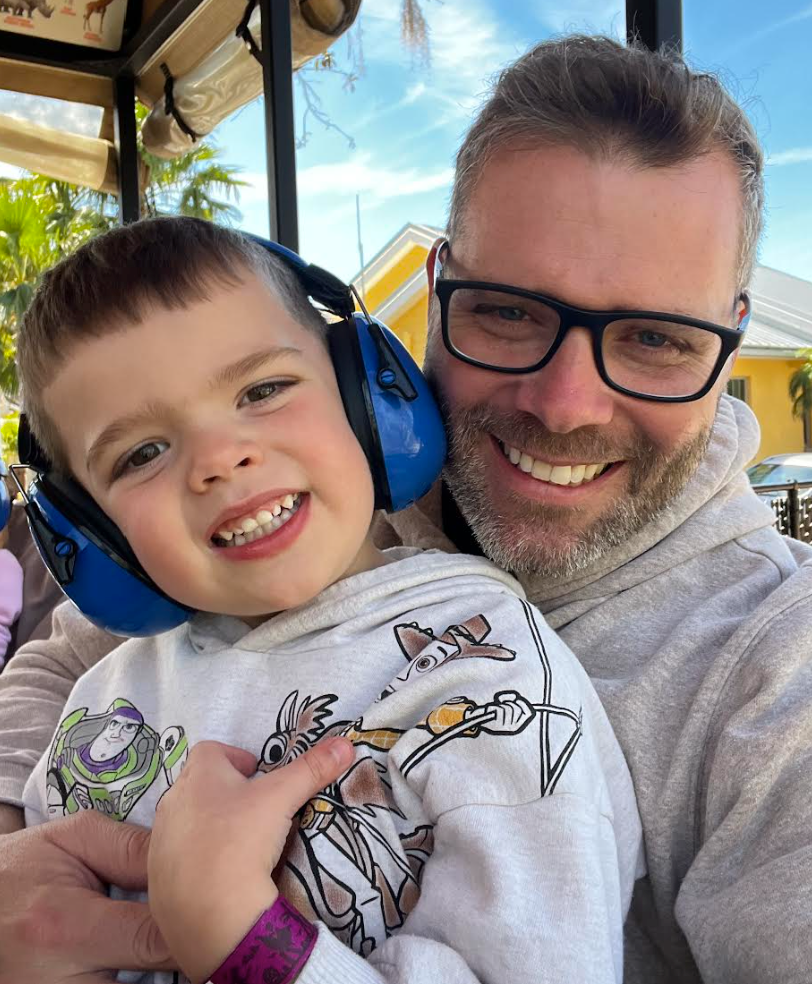

You find the third chewed-through shirt collar this week. The pencils at the homework station look like they survived a beaver attack. Your child's sleeves are permanently damp. And you have lost count of how many times someone has told you to "just make them stop."
Here is what nobody told you: your child is not being destructive. They are not doing this to annoy you. And telling them to stop is not going to help.
Sensory chewing is one of the most common and most misunderstood behaviors in neurodivergent children. It serves a real neurological purpose, and once you understand what that purpose is, everything about your approach changes.
What Is Actually Happening When Your Child Chews
Your child's jaw is one of the strongest muscles in the human body. When they chew, the proprioceptors in the jaw joint send deep-pressure signals through the trigeminal nerve directly to the brainstem. This input helps regulate the reticular activating system, which governs overall arousal levels. In plain language: chewing sends a powerful calming signal to the brain.
This is the same mechanism behind weighted blankets, bear hugs, and compression clothing. Deep pressure input activates the parasympathetic nervous system, the body's "rest and digest" mode. Research published in *Physiology & Behavior* found that chewing reduces cortisol levels during acute stress and alleviates negative mood. A review in the *Journal of Clinical Trials and Research* confirmed that regular chewing is associated with lower anxiety, improved mood, and reduced occupational stress.
Your child is not chewing to be defiant. Their nervous system is using the most powerful tool it has to regulate itself.
Why Neurodivergent Children Chew More
Sensory processing differences are a core feature of autism, significant enough to be included in the DSM-5 diagnostic criteria in 2013. A landmark study by Tomchek and Dunn (2007) found that 95% of children with autism demonstrated some degree of sensory processing dysfunction, with the greatest differences in the underresponsive/seeks sensation category. Leekam et al. (2007) found sensory abnormalities in over 90% of autistic individuals across all sensory domains, including oral and gustatory processing.
Using Winnie Dunn's Sensory Processing Framework, children who chew on everything typically fall into the "sensory seeker" category. They have high neurological thresholds, meaning their brains need more input to reach an optimal state of arousal. Chewing provides that input efficiently and immediately.
Children with ADHD also show significantly higher rates of sensory seeking behaviors compared to neurotypical peers. The pencil chewing, nail biting, and collar mouthing you see during homework are often the brain's attempt to maintain alertness and concentration. Research has shown that the rhythmic motion of chewing can improve sustained attention and focus.
The chewing often increases during specific situations:
- Transitions between activities, which are already high-anxiety moments for neurodivergent children
- Homework or seated tasks that require sustained concentration
- Overstimulating environments like crowded classrooms or loud gatherings
- Understimulating environments where the brain needs something to stay engaged
- Periods of stress or anxiety, including new environments or changes in routine
The Difference Between Sensory Chewing and a Safety Concern
Most sensory chewing is healthy self-regulation. But there are situations where the behavior warrants professional evaluation.
Typical sensory chewing looks like chewing on shirt collars, pencils, sleeves, or safe toys. It tends to increase during stress or concentration but remains manageable. The child can be redirected to appropriate alternatives, and the chewing serves a clear calming or focusing function.
Pica is different. Pica involves the compulsive ingestion of non-food items like paint chips, dirt, paper, or fabric. Research published in PMC found that pica affects 23.2% of children with autism compared to just 3.5% of the general population. If your child is swallowing non-food materials, not just mouthing or chewing them, consult your pediatrician. Pica can indicate nutritional deficiencies (iron and zinc are common), and it carries risks including gastrointestinal blockages and toxicity.
Seek evaluation if you notice:
- Biting fingers, hands, or lips hard enough to cause wounds or bleeding
- Chewing off and swallowing pieces of objects (choking hazard)
- Cracking or wearing down teeth from chewing hard materials
- Behavior escalating in intensity and interfering with daily functioning
- Significant social difficulties at school related to the chewing
For the majority of children, though, sensory chewing is not dangerous. It is communication. Your child's body is telling you what their nervous system needs.
What Actually Helps: Safe Alternatives That Work
The goal is never to eliminate chewing. As occupational therapist Kim Griffin explains, "Once you recognise the symptom and its triggers, and find alternative safe self-regulation strategies that work for them, it does not take long for behaviour to change." The goal is to redirect chewing toward safe, appropriate outlets.
Chew Tools and Chewelry
Commercial chew tools are designed specifically for this purpose. Companies like ARK Therapeutic make chew tubes, pendants, and pencil toppers in different resistance levels (soft, medium, firm) to match your child's bite strength. Chewable jewelry, often called "chewelry," offers discreet options for school-age children who want something less noticeable.
When choosing chew tools, look for:
- FDA-compliant, food-grade or medical-grade silicone
- BPA-free, phthalate-free, PVC-free, and lead-free materials
- Breakaway clasps on necklaces for safety
- The right resistance level for your child's bite (start soft and work up)
- Regular inspection for damage, and replace when worn
ARK Therapeutic puts it well: rather than eliminating chewing behavior, the goal is to redirect it toward "something that is designed specifically for the need to chew that is comfortable, durable, and safe."
Food-Based Oral Input
Strategic food choices can provide the sensory input your child's brain is seeking:
- Crunchy foods: Raw carrots, celery, apples, pretzels, dried banana chips
- Chewy foods: Dried mango, beef jerky, bagels, fruit leather
- Resistive drinking: Thick smoothies through a straw, applesauce pouches (the sucking motion provides organizing oral input)
- Cold foods: Frozen fruit bars, ice cubes, frozen yogurt tubes (cold adds alerting sensory input)
- Strong flavors: Sour or spicy foods provide additional alerting input for children who seek intense sensory experiences
If your child is also a selective eater, work within their accepted foods. A child who only eats five foods can still get oral sensory input from crunchy crackers or chewy dried fruit if those fall within their comfort zone.
Enjoying this article?
Get practical tips and insights delivered to your inbox — no spam, ever.
Other Oral Motor Strategies
- Blowing activities: Bubbles, whistles, kazoos, party blowers, or blowing cotton balls across a table
- Water bottles with bite valves: CamelBak-style bottles provide resistive oral input while keeping your child hydrated
- Vibration: Electric toothbrushes provide oral sensory input during the brushing routine
- Sugar-free gum: One of the simplest and most socially acceptable options for older children
Building Chewing Into the Routine Instead of Fighting It
This is where the shift from reactive to proactive makes all the difference.
Instead of waiting for your child to start gnawing on their sleeve and then redirecting them (reactive), build oral sensory input into their daily schedule before the need becomes urgent (proactive). Occupational therapists call this a "sensory diet," a term coined by Patricia Wilbarger to describe a planned schedule of sensory activities throughout the day.
Schedule oral input at predictable times:
- Crunchy or chewy snack before homework or seated tasks
- Chew tool available during car rides or waiting rooms
- Resistive drinking (smoothie through a straw) at breakfast
- Gum or chewy snack before transitions that you know are difficult
Use visual supports to make it predictable. A visual schedule that includes "sensory snack time" or "chew break" normalizes the behavior and gives your child a clear expectation for when oral input is coming. When children know the chew break is built into the schedule, the anxiety that drives additional chewing often decreases.
Create a choice board for chewing alternatives. A simple visual card showing options, chew necklace, crunchy snack, drink water, blow bubbles, empowers your child to self-select the strategy that matches what their body needs in the moment. This builds self-advocacy skills that serve them well beyond childhood.
Use first-then boards for motivation. "First math worksheet, then chew break." The visual format makes the expectation and reward clear, connecting the sensory activity to task completion without making it feel like a punishment.
What to Tell Teachers and Caregivers
Chewing behaviors in the classroom are often misunderstood. Teachers may see a child chewing on their collar and interpret it as a behavioral problem or a lack of self-control. Reframing the conversation changes everything.
Share the science. Most educators are receptive when they understand that chewing is a neurological regulation strategy, not a discipline issue. The 95% statistic from Tomchek and Dunn is powerful context. So is the research showing that chewing can actually improve focus and attention.
Propose a plan. A chew tool in the pencil case, a crunchy snack during independent work time, and a water bottle with a bite valve at the desk cost nothing and disrupt nothing. Frame these as accommodations that improve focus, not special treatment.
Include it in the IEP or 504. If your child has an IEP or 504 plan, sensory accommodations including access to chew tools can and should be documented. This protects your child's right to use these tools and ensures consistency across settings.
When to Involve an Occupational Therapist
An OT can be invaluable if your child's chewing is:
- Intense enough to damage clothing, furniture, or objects regularly
- Interfering with social relationships
- Not responsive to the strategies you have tried at home
- Accompanied by other sensory processing challenges that affect daily life
OTs use standardized assessments like the Sensory Profile-2 to understand your child's specific sensory needs. They determine whether your child is sensory seeking, sensory avoiding, or has oral motor weakness, each of which requires a different approach.
The American Occupational Therapy Association (AOTA) recognizes sensory integration as an evidence-based area of practice, with systematic reviews confirming that sensory interventions "appear to be effective when addressing attention and self-regulation for children with autism." An OT will create an individualized sensory diet tailored to your child's specific needs, not a one-size-fits-all approach.
Reframing the Narrative
The hardest part of sensory chewing for most parents is not the chewed-up shirts. It is the judgment. The looks from other parents. The teacher's concerned email. The internal voice wondering if you are doing something wrong.
You are not doing anything wrong. And your child is not doing anything wrong either.
Chewing is not a bad habit. It is not a phase they will grow out of if you just discipline them enough. It is a neurological need, as real as the need for sleep or food or movement. When you reframe chewing from "problem behavior" to "communication about what my child's nervous system needs," everything about your response shifts.
Instead of "stop chewing on that," you say "let me get you something safe to chew on." Instead of "why do you always destroy your shirts," you think "his brain needs more input right now, let me offer a crunchy snack." Instead of fighting the behavior, you work with it.
Your child's brain is not broken. It is wired to need more proprioceptive input than most. Once you provide that input in safe, structured, predictable ways, the shirt chewing, the pencil destruction, and the sleeve soaking will decrease. Not because you forced it to stop, but because you gave their nervous system what it was asking for all along.
VizyPlan helps you build sensory breaks and chew time directly into your child's visual daily routine, track emotional patterns to identify when oral sensory needs peak, and create choice boards that empower your child to self-select the regulation strategy their body needs. Start your free trial and turn sensory chewing from a daily battle into a structured part of your child's success.