
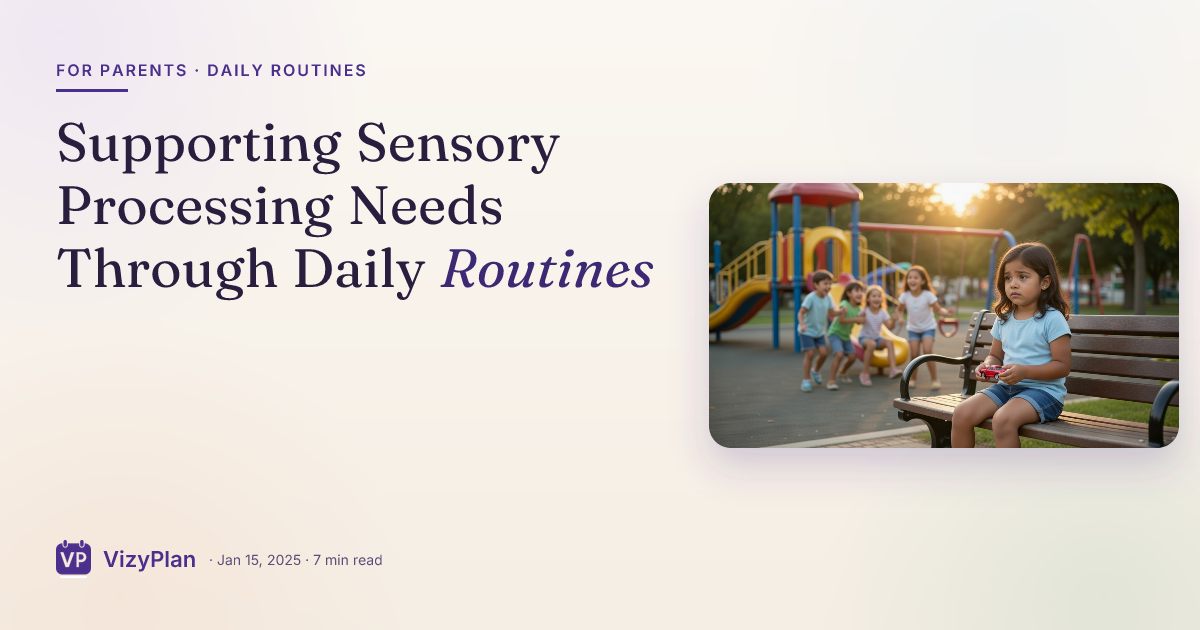
The tag in their shirt is "burning." The seam on their sock is "stabbing." The sound of the blender makes them cover their ears and scream. Meanwhile, their sibling does not even notice any of it. You are not imagining the difference, and your child is not being dramatic. Their brain is literally processing sensory input differently than most people's, and it affects every single part of their day.
Understanding how your child experiences the world through their senses is one of the most game-changing things you can do as a parent. Once you get it, everything from morning routines to mealtimes to school starts making a lot more sense.
Understanding Sensory Processing Differences
Every person processes sensory information differently, but children with sensory processing differences experience these inputs in ways that can significantly impact their daily lives.
Hypersensitivity means sensory input feels more intense than typical. A tag that most people would not notice feels unbearable. Sounds that others ignore are overwhelming. Certain food textures trigger strong negative reactions.
Hyposensitivity means sensory input is under-registered. Children may seek intense sensory experiences, spinning, crashing, touching everything, to get the input their nervous system craves.
Mixed patterns are common. A child might be hypersensitive to certain sounds while being hyposensitive to touch, requiring different accommodations for different sensory channels.
Building Sensory-Aware Morning Routines
Mornings involve multiple sensory experiences in rapid succession. Thoughtful planning makes a significant difference.
Consider clothing carefully. Seams, tags, waistbands, and fabric textures that feel fine to others may be intolerable. Identify clothing that works and have multiple similar items available.
Address grooming sensitivities. Hair brushing, teeth brushing, and face washing can be intensely unpleasant for sensory-sensitive children. Softer brushes, vibrating toothbrushes, warm water, and gentle techniques can help.
Manage auditory environment. Some children do better with background music; others need quiet. Identify what helps your child and create that environment consistently.
Build in movement. Children who need proprioceptive input may function better if morning routines include heavy work activities like carrying their backpack, doing wall push-ups, or helping with physical tasks.
Visual Schedules for Sensory Predictability
Visual schedules support children with sensory processing differences by providing predictability about what sensory experiences are coming.
Include sensory information in visual schedules when relevant. If a child knows that hair brushing comes after getting dressed, they can mentally prepare for that sensory experience.
Show available supports. If a child uses a weighted lap pad during breakfast or wears headphones during a noisy part of the routine, including these in the visual schedule reminds them to use their tools.
Allow processing time. Transitions between activities involve sensory shifts. Building brief pauses into the visual schedule respects the time needed to adjust.
Mealtime and Sensory Considerations
Eating involves multiple sensory systems simultaneously, taste, smell, texture, temperature, and even sounds. For sensory-sensitive children, meals can be overwhelming.
Respect sensory limits while gently expanding over time. Forcing a child to eat foods that trigger sensory distress rarely leads to positive outcomes.
Consider the environment. Bright lights, strong smells from cooking, and chaotic family meals may make eating difficult. Some children do better with calmer, less stimulating mealtime environments.
Be aware of utensil and dishware preferences. Some children are sensitive to certain materials or textures in their eating utensils. Metal versus plastic, certain bowl depths, or specific cup types may matter.
Visual mealtime routines can help children know what to expect and feel more in control of the experience.
Sensory Breaks Within Routines
Building sensory regulation opportunities into daily routines prevents overload and supports sustained functioning.
Movement breaks benefit children who are hyposensitive to proprioceptive or vestibular input. Jumping, swinging, spinning, or climbing between activities can help regulate the nervous system.
Quiet retreats benefit children who are hypersensitive and need breaks from stimulation. A designated calm space with reduced lighting and sound can provide necessary recovery.
Fidget and tactile tools can be used during activities that require sitting still. Having these tools available and normalized within the routine supports self-regulation.
Homework and Sensory Needs
Homework time places significant demands on children who are already sensory-depleted from the school day.
Allow decompression first. Many children need 30-60 minutes of sensory regulation activities before they can engage with homework.
Provide sensory supports during work. Fidgets, wobble cushions, chewing gum, or background music may help sustain focus.
Break homework into segments with sensory breaks between. Short bursts of work followed by movement may be more effective than long continuous periods.
Bathtime and Hygiene Sensory Strategies
Personal hygiene activities involve intense sensory experiences that can be distressing for sensitive children.
Water temperature and pressure matter. Some children prefer very warm or very cool water. Adjustable showerheads that allow different spray patterns give children more control.
Product sensitivities are common. Unscented products with gentle formulations may be better tolerated. When a child finds products that work, buy in bulk.
Tactile experiences like nail trimming, hair washing, and tooth brushing require patience and adaptation. Breaking these into smaller steps with visual supports helps children know what to expect.
Create predictable sequences. When bath time follows the same visual routine every time, the sensory experiences become more predictable and therefore more manageable.
Bedtime Sensory Considerations
The sensory environment of the bedroom significantly impacts sleep quality.
Bedding textures deserve attention. Some children need very soft, smooth sheets while others prefer heavier textures. Weighted blankets provide deep pressure that many sensory-seeking children find calming.
Room temperature and air flow affect comfort. Fans provide both white noise and air movement that some children find regulating.
Darkness levels matter. Some children need complete darkness; others feel more secure with a dim nightlight.
Pajama sensitivities can prevent sleep. Seamless, tagless options in comfortable fabrics are worth seeking out.
Creating a Sensory-Friendly Home
Beyond specific routines, overall home environment modifications support children with sensory processing differences.
Designated calm spaces give children a place to retreat when overwhelmed. These spaces should have dim lighting, comfortable seating, and minimal visual clutter.
Noise management throughout the home helps. Rugs, curtains, and soft furnishings absorb sound. Awareness of loud appliances and when they run supports sensitive children.
Visual calm comes from reducing clutter and visual chaos. Organized spaces with clear purposes are easier to navigate than overwhelming, busy environments.
Working with Professionals
Occupational therapists who specialize in sensory processing can provide invaluable guidance for supporting your child.
Sensory evaluations identify your child's specific profile of sensitivities and preferences.
Sensory diet recommendations provide structured activities throughout the day that support regulation.
Strategies for specific challenges address your child's particular areas of difficulty with evidence-based approaches.
VizyPlan helps you create sensory-friendly visual routines for your child. Start your free trial and support your child's sensory needs.