
The checkup itself lasts fifteen minutes. The months of avoided care that follow a bad one can last years. Medical desensitization autism work deserves a place on your November caseload, because winter well visits, dental cleanings and flu clinics all land in the same few weeks, and the tools inside those rooms can be practiced in your room first.
Most families do not ask for medical desensitization goals. They mention, almost in passing, that the last dental visit ended in the parking lot.
Why medical desensitization autism goals matter now
Autistic children already face a steeper path to routine care. A 2023 study in Autism, drawing on the National Survey of Children's Health, found autistic children were more likely than other children to have unmet medical, dental and mental health needs. An earlier analysis in the Maternal and Child Health Journal found families of autistic children were more likely to report that providers lacked the skills to serve their child.
Some of that gap sits outside your control: insurance, waitlists, short appointment slots. The part that sits inside your control is the child's familiarity with the cuff, the light and the gloved hand before the visit.
What the research supports
The evidence base is mostly single-case design, but it points in a consistent direction. In a 2020 study in the Journal of Applied Behavior Analysis, Stuesser and Roscoe worked with four autistic children who resisted parts of a medical exam. Differential reinforcement alone helped only one child. Adding stimulus fading, which introduced smaller pieces of each difficult exam step, increased cooperation with every step for all four.
Graduated exposure shows up the same way in dental research. A review of dental care research for children with developmental disabilities found graduated exposure was among the most frequently used components. A 2006 study in the Journal of Applied Behavior Analysis used stimulus fading with an autistic adolescent who resisted finger-stick blood draws, moving the lancet closer in small, reinforced steps until routine glucose checks were possible.
Small studies, yes. But the shared lesson for medical desensitization autism work is clear: break the procedure into pieces, make each piece easy to succeed at, and let the child set the pace.
Enjoying this article?
Get practical tips and insights delivered to your inbox — no spam, ever.
A medical desensitization autism protocol for November
- Write the task analysis from the real visit. Ask the family or the pediatric office what actually happens: scale, cuff, otoscope, stethoscope, throat swab, flu shot. For dental, list the chair recline, bib, mirror, light and polisher. A task analysis built from the real room beats a generic one.
- Build a practice kit for session. A child size blood pressure cuff, a toy or retired otoscope, a disposable dental mirror, gloves, a penlight and a tongue depressor cost very little. Let the child handle each item before it ever touches them.
- Fade the stimulus, not the child. Start with the item on the table, then near the arm, then touching the sleeve, then a two second squeeze. Reinforce each step generously and stay on a step until it is easy.
- Add video modeling and a social narrative. A short clip of a sibling or a staff member getting the cuff, paired with a picture story of the visit in order, gives the child a preview they can watch at home between sessions.
- Coordinate with the pediatric or dental office. Send a one page summary: which steps the child tolerates, which reinforcers work, and what the staff can say. Ask for the first or last appointment of the day and a shorter wait.
- Use assent as the guide, not the obstacle. Watch for pulling away, turning, or a hand pushing the item off. Back up a step when you see assent withdrawn. Our assent-based care guide covers how to read and honor those signals.
Hand the family the visit day
Your medical desensitization autism sessions build the skill, but the family carries it into the waiting room. Families preparing for the visit itself can use our guide to preparing for doctor and dentist visits, and the flu shot guide walks through the one procedure most children will meet this season.
Medical desensitization autism work is rarely a standalone goal on a treatment plan. Medical desensitization is often the goal that decides whether a child sees a dentist again before age ten.
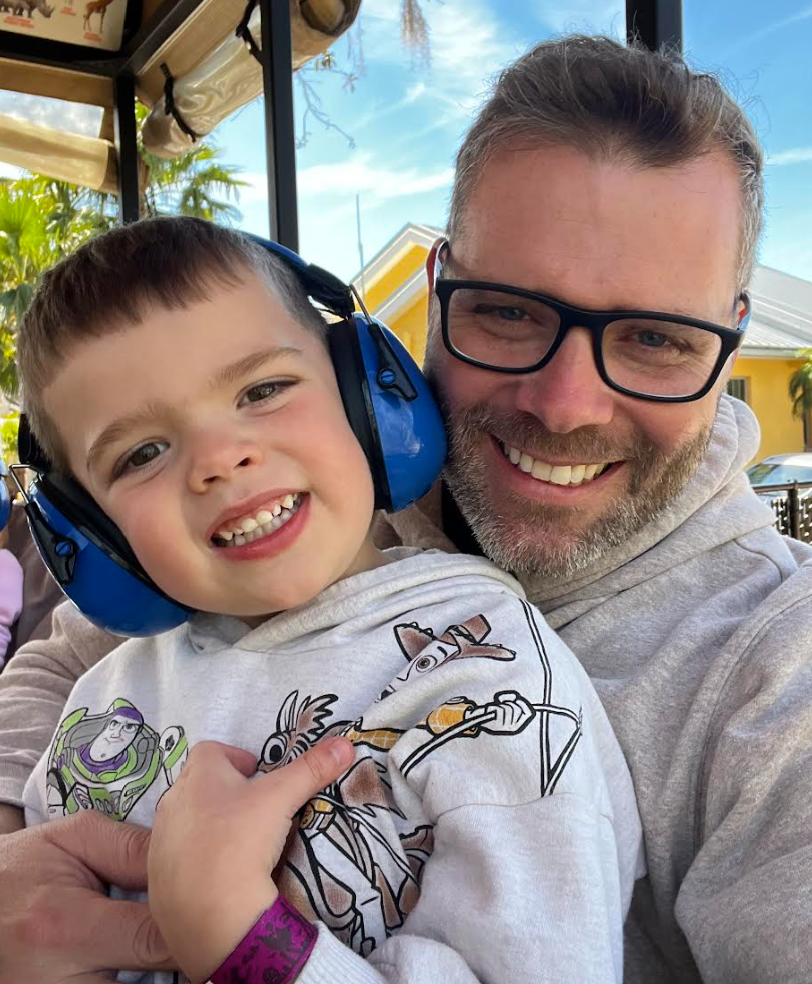
VizyPlan was built by an autism dad and an autism mom who is a licensed speech-language pathologist so the cuff, the light and the chair can be a picture story the family reads every night before the checkup.
Share VizyPlan with your families so the checkup is rehearsed before it arrives. The 7-day free trial lets a family try it first. If it helps, keep going for $6.99/month or $59.99/year.
VizyPlan was built by an autism dad and an autism mom who is a licensed speech-language pathologist who needed something that did not exist. Explore VizyPlan.