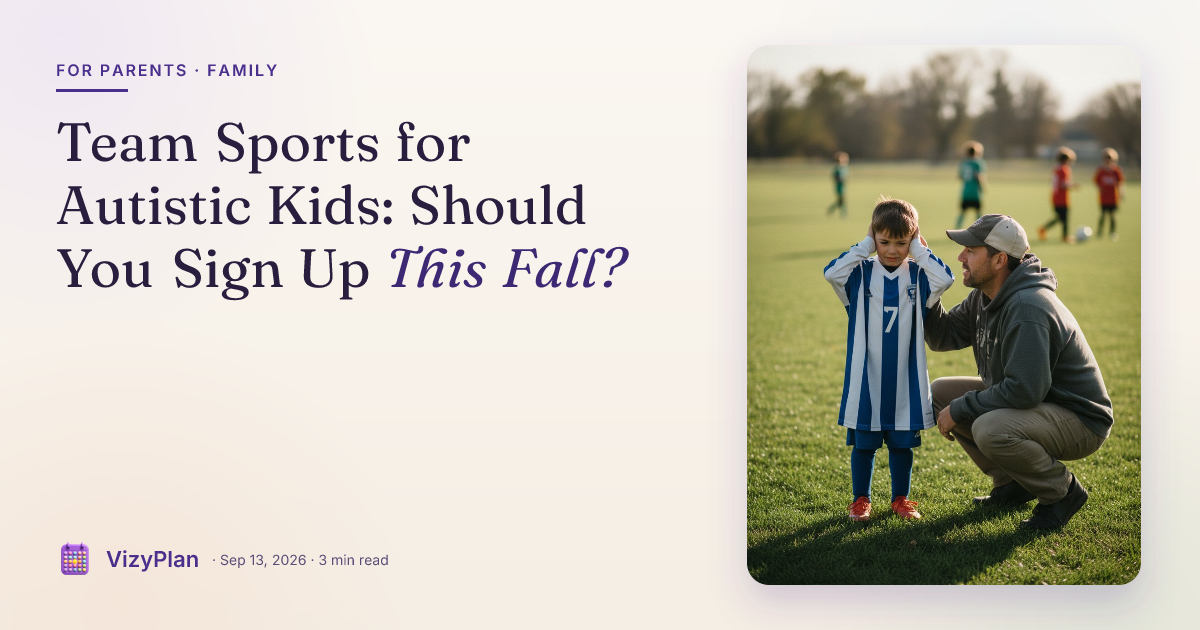
Team Sports for Autistic Kids: Should You Sign Up This Fall?
3 min read
Your child calls everyone in their class a friend, including the child who has been unkind to them for months. They cannot tell the difference, and it is being taken advantage of.
Free 7-day trial · No email or credit card to start · Built by an autism dad and an autism mom SLP
Friendship gets described to children entirely in terms of being nice, which gives them no way to distinguish a friend from someone who tolerates or exploits them. Concrete observable criteria give your child a test they can actually apply.
What the research saysA proximity-sensor study found autistic pupils had significantly fewer reciprocated friendships than classmates despite comparable time in social contact, which is why teaching reciprocity specifically matters.
Tsou et al., Autism, 2024
Takes about five minutes. Use it as written, or keep only the steps your family needs. A short setup that gets used beats a complete one that gets abandoned in week two.
Defining friendship by feelings gives your child nothing to check against. Observable behaviors are testable, and testable is what a child can use.
The Social Stories lives inside the same routine your child already follows, so a story about what a friend is is a step with a visible length rather than a separate tool somebody has to remember to open.
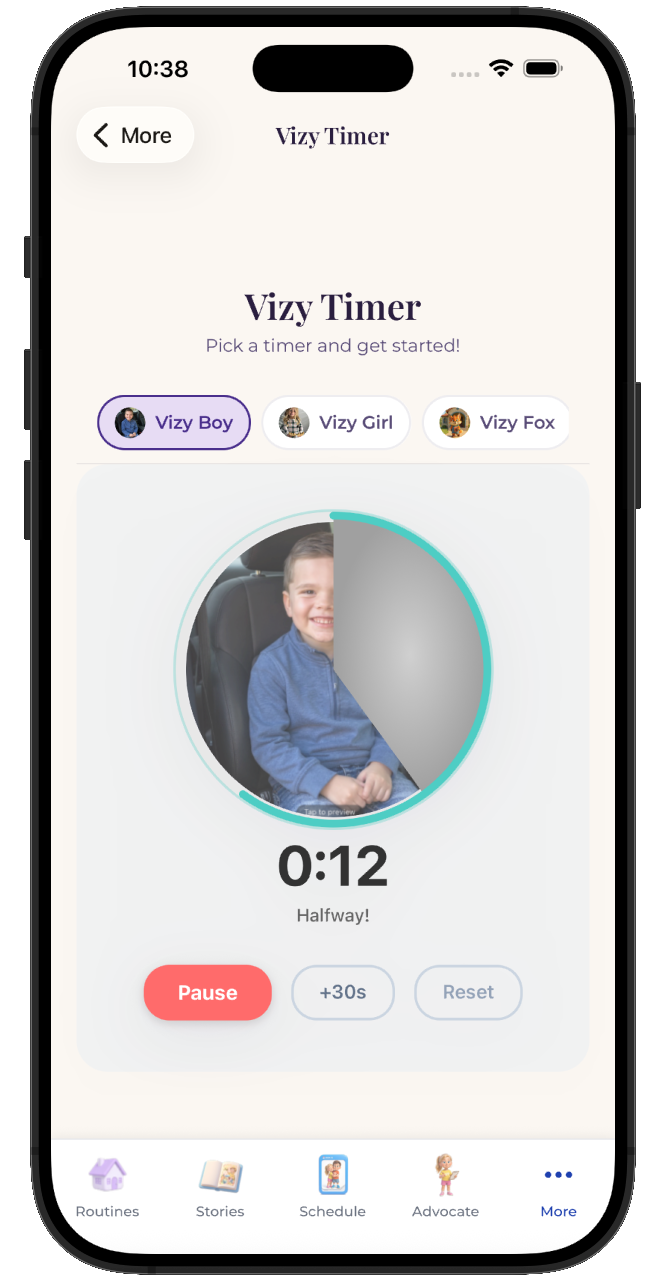
Five minutes to build, and your child sees it every time a story about what a friend is comes around.
$6.99/month after the free trial · Cancel anytime · Also at app.vizyplan.com
VizyPlan supports routines and communication at home and school. It is not a medical device and does not diagnose or treat any condition. Talk to your child's care team about clinical questions.