The list came home in June with forty-one items on it. Back to school supply shopping sounds like a simple errand, but for a sensory sensitive child it is a fluorescent-lit obstacle course with a crowd, a time limit, and a hundred small decisions stacked on top of each other. If last year ended with an abandoned cart in aisle nine, the problem was almost certainly the environment, not your child's attitude.
Why back to school supply shopping overloads a sensory system
Sensory over-responsivity is not a rare add-on to autism. Somewhere between 56 and 70 percent of autistic youth meet criteria for it. Sound is the most common culprit. In a sample of 4,104 autistic people, 60.1 percent currently experienced auditory over-responsivity and 71.1 percent had experienced it at some point in their lives.
Now picture the store. Overhead announcements, cart wheels on tile, a checkout beep every two seconds, other families with the same list and the same deadline. A 2023 study of 1,121 families in Frontiers in Psychiatry found that children struggling with school reported differences across an average of 4.8 sensory systems, with tactile and auditory systems affected in more than 80 percent of cases. A big-box store hits both of those at once, for an hour, on a Saturday.
Shrink the trip, not your expectations
The goal is not to toughen your child up in the school supply aisle. The goal is to come home with pencils and a kid who still has something left for the rest of the day.
- Order the boring two-thirds online. Pencils, glue sticks, and tissues do not need to be touched. Buy those without leaving the house and reserve the trip for the items where your child's opinion actually matters.
- Go at the quietest hour you can find. Weekday mornings right at open, or the last hour before close, cut the crowd and the noise floor dramatically.
- Show the store before you go. Pull up photos of the entrance, the aisle, and the checkout. Predictability is the whole game, and our post on why autistic kids resist transitions explains what happens in the body when a place is unknown.
- Bring the exit plan with you. Decide in advance what "we are done" looks like. A child who knows the trip is four items long can spend energy on the four items instead of on wondering when it ends.
- Let your child pick exactly two things. Choice reduces resistance, but an open aisle of options is its own kind of overload. Two real choices beat twenty theoretical ones.
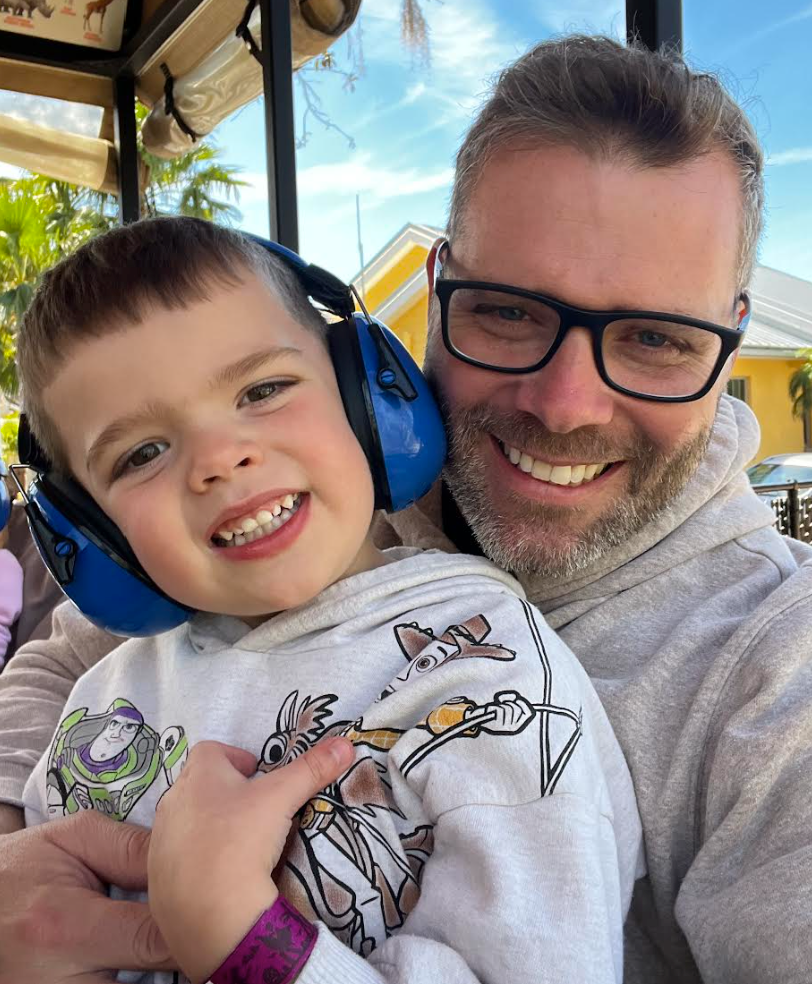
- Pack the sensory kit. Headphones, sunglasses, a chewy, a familiar snack. Bringing the regulation tools is not coddling, it is the same logic as bringing a jacket.
Buy for the body, not for the aisle end cap
Half of a back to school supply list ends up touching your child for seven hours a day. That deserves more thought than the character on the front.
Backpacks are the biggest one. Weight matters, but so do the straps, the chest clip, and whether the zipper pull makes a sound your child hates. Try it on loaded, not empty. Shoes and clothing carry the same problem, and the research is blunt about it: in a 2025 study of 86 autistic adults published in Autism, 73.2 percent regularly avoided certain clothing types and 46.5 percent avoided items with seams that touched their skin. Our post on school clothes and sensory issues goes deeper on fabric, seams, and the shoe problem.
For supplies themselves, watch for the small stuff nobody thinks about. Squeaky dry-erase markers. Scratchy folder edges. A pencil box that snaps shut with a bang. A three-ring binder that pinches. If your child has strong opinions about texture, let them run a hand over the options before you commit.
Enjoying this article?
Get practical tips and insights delivered to your inbox — no spam, ever.
Turn the trip into something your child can see coming
An errand is abstract. A sequence is not. Before you leave, walk through the plan in order: car, doors, backpack aisle, notebooks, checkout, car, home. Say it once, show it once, and then let the plan do the work instead of your voice.
That is exactly what a visual routine is for. VizyPlan was built by an autism dad and an autism mom who is a licensed speech-language pathologist so a child can look at the next step in photos of their own world instead of holding six instructions in their head. A shopping trip is just a routine with a receipt at the end.
One more thing worth doing while you are out
Buy the school-year sensory supplies now, not in October when everyone is already struggling. Headphones for the cafeteria. A chewy for the bus. A spare set of soft clothes for the nurse's office. The families who plan for the loud parts of the school day in July are not being pessimistic. They are just buying the umbrella before it rains, and our guide to resetting the back to school routine covers what else belongs on that list.
Download VizyPlan and start your 7-day free trial today. Turn the errands, the mornings, and the first week of school into something your child can see coming. Just $6.99/month after your trial, no credit card required upfront.
VizyPlan was built by an autism dad and an autism mom who is a licensed speech-language pathologist who needed something that did not exist. Start your free trial.