
Making Friends at School: What Research Really Found
5 min read
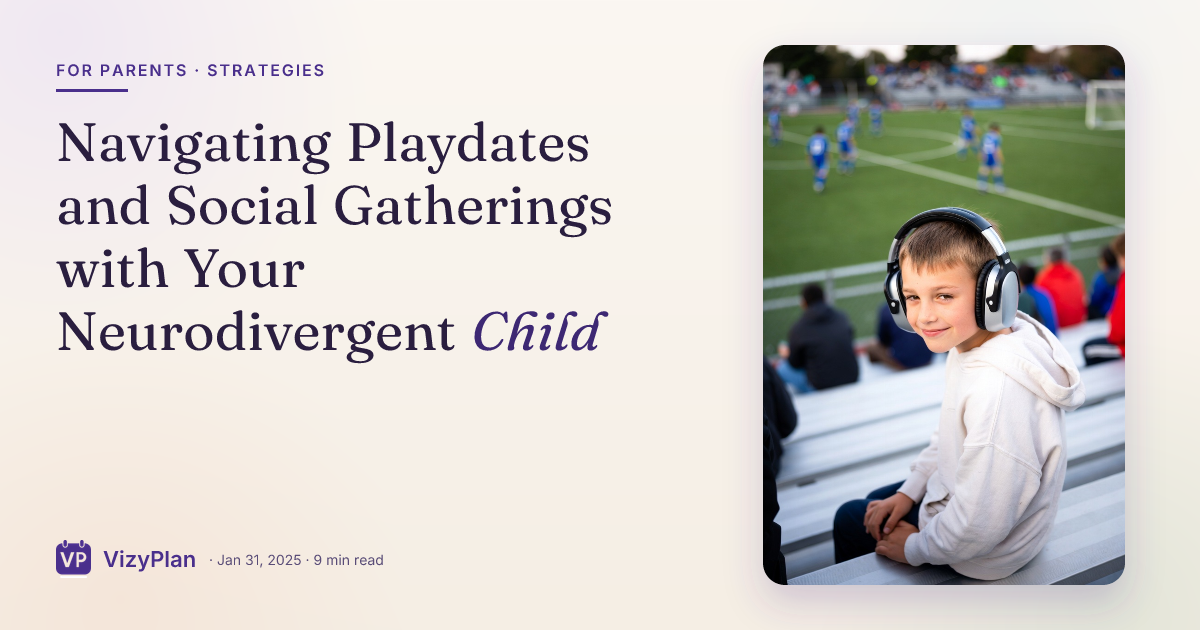
The playdate has been lovely for ninety minutes and you can see the edges starting to fray. Push another half hour and it will end badly, and your child will remember the ending rather than the ninety minutes.
Free 7-day trial · No email or credit card to start · Built by an autism dad and an autism mom SLP
Social time is expensive for neurodivergent children even when they are enjoying it, and the crash tends to arrive suddenly. A timer set at the start lets you end on a high note rather than waiting for the signal that says you already went too far.
What the research saysA study using proximity sensors during recess found autistic pupils spent as much time in social contact as classmates but had significantly fewer reciprocated friendships, so quality of social time matters more than quantity.
Tsou et al., Autism, 2024
Takes about five minutes. Use it as written, or keep only the steps your family needs. A short setup that gets used beats a complete one that gets abandoned in week two.
Extending because the children are having fun is how a good playdate becomes a bad memory. The best time to stop is while everybody still wants more.
The Vizy Timer lives inside the same routine your child already follows, so ending a playdate is a step with a visible length rather than a separate tool somebody has to remember to open.
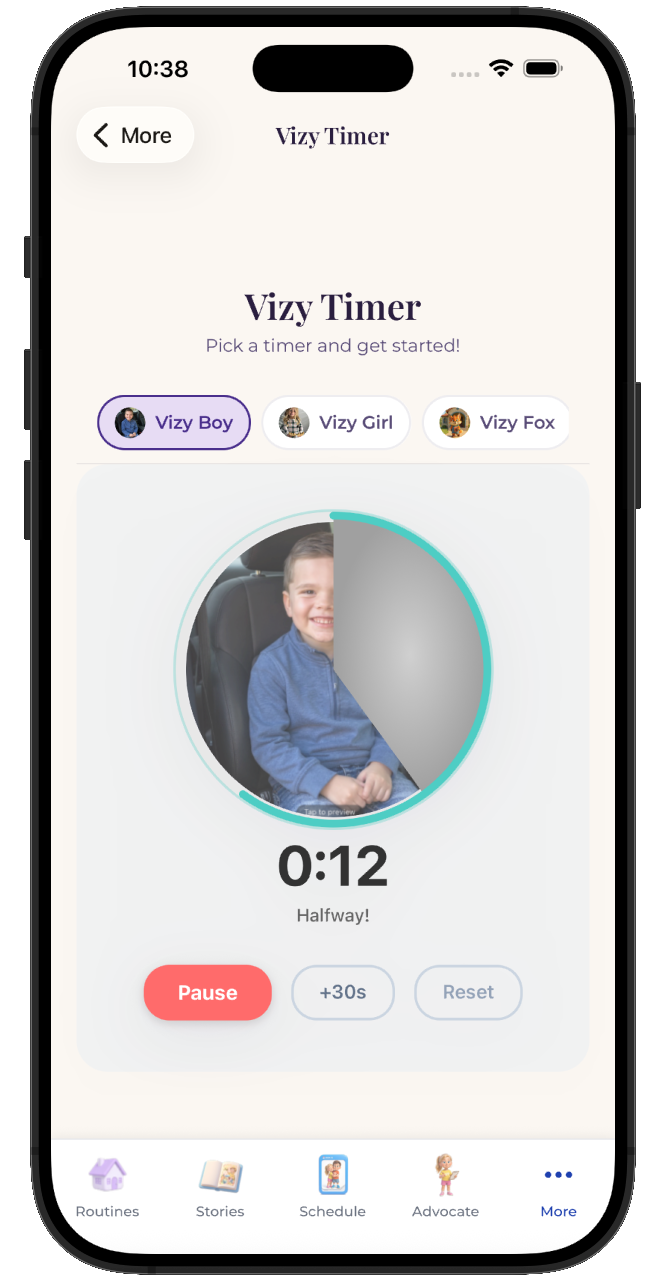
Five minutes to build, and your child sees it every time ending a playdate comes around.
$6.99/month after the free trial · Cancel anytime · Also at app.vizyplan.com
VizyPlan supports routines and communication at home and school. It is not a medical device and does not diagnose or treat any condition. Talk to your child's care team about clinical questions.