
Family vacations should create joyful memories. But for families with neurodivergent children, travel often brings anxiety, meltdowns, and exhaustion instead of relaxation. The disruption to routines, unpredictable environments, and sensory overload can make even a simple weekend trip feel overwhelming.
With the right preparation and supports, travel can become manageable, even enjoyable. The key is understanding why travel is difficult for neurodivergent children and implementing strategies that address those specific challenges.
Why Travel Is Challenging
Understanding the difficulties helps you prepare more effectively.
Routine disruption is significant. Many neurodivergent children rely heavily on predictable daily routines to feel safe. Travel eliminates nearly every familiar anchor, different beds, different mealtimes, different everything. This loss of predictability creates anxiety that manifests as behavioral challenges.
Sensory environments are unpredictable. Airports, hotels, beaches, and tourist attractions assault multiple senses simultaneously. Crowds, noise, unfamiliar smells, and temperature changes combine to overwhelm sensory systems already working hard to process a new environment.
Transition demands increase dramatically. A typical travel day involves dozens of transitions, getting into the car, getting out, entering new buildings, changing activities. Each transition requires cognitive effort that depletes limited resources.
Sleep disruption compounds everything. Different beds, different sounds, different light levels, and different time zones all interfere with sleep. Sleep deprivation worsens every other challenge.
Flexibility demands are high. Travel rarely goes exactly as planned. Delayed flights, closed attractions, and changed reservations require the kind of flexibility that is genuinely difficult for many neurodivergent children.
Preparation Weeks Before Travel
Successful trips begin long before departure day.
Start talking about the trip early. Give your child time to process what is coming. For some children, this means weeks of gradual exposure to the idea. For others who perseverate on upcoming events, shorter notice works better. Know your child.
Create a visual trip preview. Assemble photos of where you will go, the hotel room, the airport, the beach or theme park. Looking at images repeatedly builds familiarity before arrival. Search online for photos or videos of your specific destination.
Build a travel countdown. Visual calendars showing days until departure help children understand when change is coming. Crossing off days provides a sense of control over the approaching disruption.
Practice new experiences when possible. If your child has never flown, visit the airport beforehand just to walk through. If you are staying at a hotel, practice the concept, explain that it is like a bedroom away from home. Some families do practice "hotel nights" at home with sleeping bags.
Write social stories about travel. Stories that walk through what will happen, checking in at the airport, finding seats on the plane, arriving at the hotel, reduce uncertainty. Include potential challenges: "Sometimes planes are delayed. We might need to wait. That is okay."
Involve your child in planning. When children have input into the itinerary, they feel more control. Let them choose one activity or meal. Show them the hotel and ask which bed they want. Small choices build investment in the trip.
Packing Strategically
What you bring significantly affects trip success.
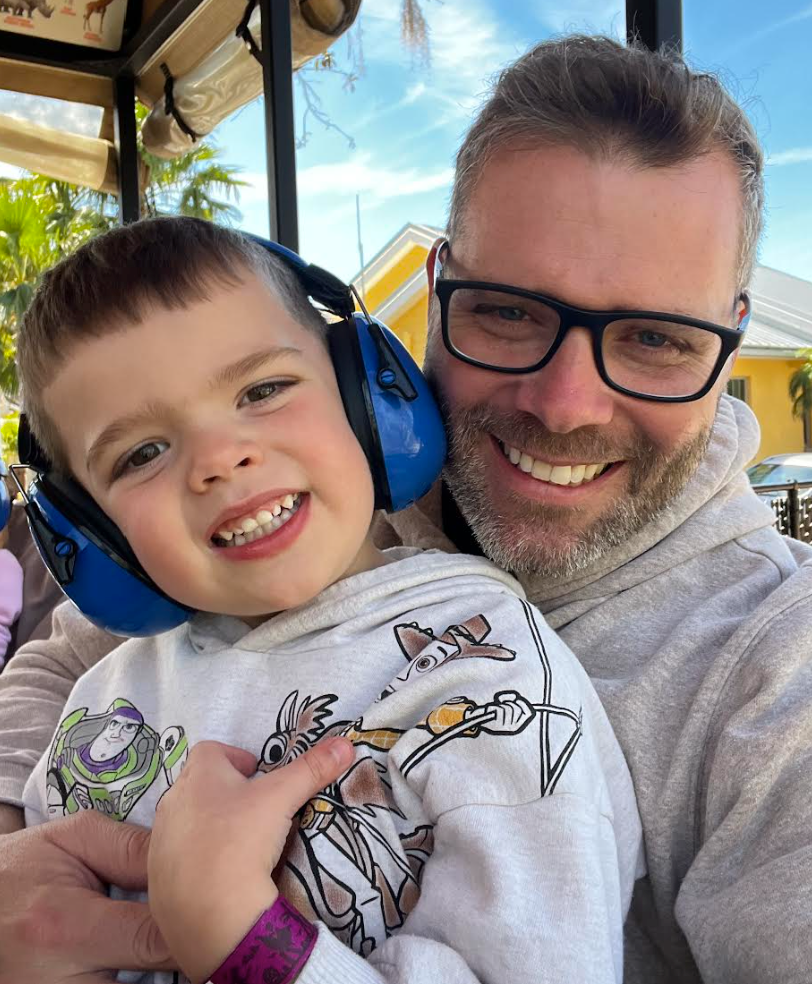
Pack comfort items. Whatever helps your child regulate at home should come on the trip. Favorite stuffed animals, weighted blankets, noise-canceling headphones, fidgets, these familiar items provide sensory anchors in unfamiliar environments.
Bring familiar foods. If your child has food restrictions or preferences, pack reliable options. Having safe foods available prevents meltdowns when restaurant options are unacceptable.
Prepare a sensory toolkit. Include items for various sensory needs: chewy snacks for oral input, fidget toys for hands, sunglasses for visual sensitivity, and earplugs or headphones for sound. A small backpack of these items should be accessible at all times.
Pack entertainment strategically. Long travel days require activities. Download shows and games to tablets before departure. Bring books, coloring supplies, and small toys. Having options prevents boredom-driven escalation.
Create visual supports for the trip. Pack printed visual schedules, first-then boards, or have them ready on a phone or tablet. You will use these throughout the trip to communicate what is happening.
Managing Travel Days
The journey itself requires careful management.
Build in extra time. Rushing escalates everyone's stress. Arrive at airports early. Leave buffer time between activities. The pace of travel should feel slower than you think necessary.
Use visual schedules throughout. Before each transition, show your child what is happening next. "First we go through security, then we find our gate." Visual supports work just as well at airports as they do at home.
Plan for sensory breaks. Identify quiet spaces at airports for decompression. During road trips, stop regularly even if your child does not ask. Sensory overload builds gradually and prevention is easier than recovery.
Bring familiar bedtime supports. Recreating sleep routines in new environments helps. If your child uses a white noise machine, bring it. If they have a specific bedtime sequence, maintain it as closely as possible. Sleep supports travel success more than any other single factor.
Prepare for waits. Travel involves waiting, for planes, for food, in lines. Have activities ready. Set visual timers when possible so children understand how long waits will last. Waiting without knowing when the wait ends is much harder than waiting with a visible endpoint.
.png)
Navigating the Destination
Once you arrive, different challenges emerge.
Keep some routines intact. Even on vacation, maintaining meal times and bedtimes provides stability. If your child normally eats lunch at noon, try to keep that consistent. If bedtime is 8pm, shifting it by hours will backfire.
Build in downtime. Do not schedule every moment. Neurodivergent children need recovery time after stimulating activities. A morning at a busy theme park might require a quiet afternoon at the hotel pool or in the room.
Create a home base. Whether it is a hotel room or vacation rental, make one space feel safe and familiar. Unpack some comfort items. Establish where things go. Having a retreat space for when overwhelm hits is essential.
Prepare for each activity. Before going somewhere new, review what will happen using photos or social stories. "We are going to the aquarium. It will be dark inside. There will be fish behind glass. Some children might be loud." Preparing for specific sensory elements helps.
Have an exit plan. Know that you might need to leave activities early. Identify quiet spaces at each location. Have the car accessible for breaks. Giving yourself permission to leave reduces pressure and paradoxically often means you can stay longer.
Managing the Unexpected
Travel plans change. How you handle changes matters.
Model flexibility yourself. Children learn from watching adults. If a restaurant is closed, demonstrate calm problem-solving out loud: "That is disappointing. Let us find another place to eat. I see one across the street."
Use visual supports to explain changes. Crossing out items on a visual schedule and adding new ones helps children see that plans can change while maintaining some structure.
Validate frustration. When plans change, acknowledge that it is hard. "You were expecting the pool to be open. It is closed for cleaning. That is frustrating." Validation does not mean the situation changes, but it helps children feel understood.
Have backup plans ready. For key activities, know alternatives. If the beach is too crowded, have another option. If the restaurant wait is too long, know where else to eat. Prepared parents stay calmer, which helps children stay calmer.
Returning Home
The transition back home is often underestimated.
Expect reentry difficulty. Many children struggle more coming home than leaving. The return to routine after disruption requires adjustment time. Plan for a quiet day before returning to school or normal activities.
Rebuild routines immediately. Get back to normal mealtimes and bedtimes as quickly as possible. Familiar routines help children regulate after the stimulation of travel.
Process the trip together. Looking at photos, talking about favorite moments, and reviewing what happened helps children make sense of the experience. This processing can happen over days or weeks.
Note what worked and what did not. After each trip, record what strategies helped and what to change next time. This information makes future travel easier.
Building Travel Confidence Over Time
Each trip teaches you something.
Start small. If travel is new or has been difficult, begin with short trips close to home. A one-night stay at a nearby hotel builds skills for longer adventures later.
Celebrate successes. When your child manages something difficult, waiting patiently, trying a new food, sleeping in a hotel bed, acknowledge the achievement. Building positive associations with travel makes future trips easier.
Adjust expectations. A successful family vacation with a neurodivergent child might look different from other families' trips. Fewer activities, more downtime, earlier departures, these adaptations are not failures but smart strategies.
Keep trying. Difficult trips do not mean you should never travel again. Each experience, even challenging ones, builds skills and understanding. Travel can become easier with practice and preparation.
VizyPlan helps you create visual travel schedules and social stories that prepare your child for new adventures. Start your free trial and make your next family trip more successful.