Spring review, and the data says the goal is met: requests using a full sentence in four of five opportunities. Then the parent speaks up, gently, and takes the whole thing apart. We have never seen that at home. One sentence, and it exposes the gap between goals met in your room and IEP goals at home.
Every provider has lived some version of that meeting. A skill that performs in your room and vanishes at the kitchen table is not mastered, it is contextbound, and the fix is not more trials in the room. September, when routines are being rebuilt anyway, is the single best month of the year to put IEP goals at home on purpose.
What the evidence says about parents as interventionists
Parent implemented intervention is an established evidence-based practice, not a nice extra. A randomized controlled trial of parent implemented social intervention showed parents can learn intervention strategies and deliver them with fidelity, and research on parent implemented telepractice found skills maintained and generalized when parents were coached directly in the environments where the skills had to live. The consistent theme across the literature: coaching parents inside real home routines outperforms teaching parents in the clinic and hoping the strategies commute.
The uncomfortable mirror image is also true. When carryover means a photocopied handout at pickup, the goal stays in the binder.
IEP goals at home live inside named routines
The unit of carryover is not the goal. It is a routine the family already runs. Here is the translation process that works:
- Pick one routine that happens daily anyway. Breakfast, bath, backpack packing, bedtime. Never add a new routine to teach an old goal; borrow one that already exists.
- Rewrite the goal in parent words, one sentence. Requests using a full sentence in four of five opportunities becomes he asks for his cup with a whole sentence at breakfast. If the parent cannot repeat it back, shrink it.
- Embed exactly one strategy. Wait five seconds before helping. Hold the item near your face. Model it once, then wait. One strategy done daily beats five strategies done never.
- Attach the visual support the child already knows. The same routine strip or sequence from your sessions, running at home, is the bridge. Familiar supports carry skills between settings better than novel materials.
- Check in with a data question, not a feelings question. Not how is it going, but how many mornings this week did he ask with a sentence? You are teaching the family to see the trend line, which is the skill that outlives your involvement.
Enjoying this article?
Get practical tips and insights delivered to your inbox — no spam, ever.
September is the window
Families are already rebuilding their routines this month, which means you are not asking them to change a habit, you are helping them build the habit correctly the first time. The structure for those early conversations is in parent coaching in the first six weeks, and the measurement side, deciding what number you will want in the spring, is covered in baseline data in the first month. If the school side of the triangle is shaky, push-in versus pull-out covers coordinating with the classroom.
A goal that lives in three places, your room, the classroom, and the kitchen, is a goal that survives the summer. That is the whole game.
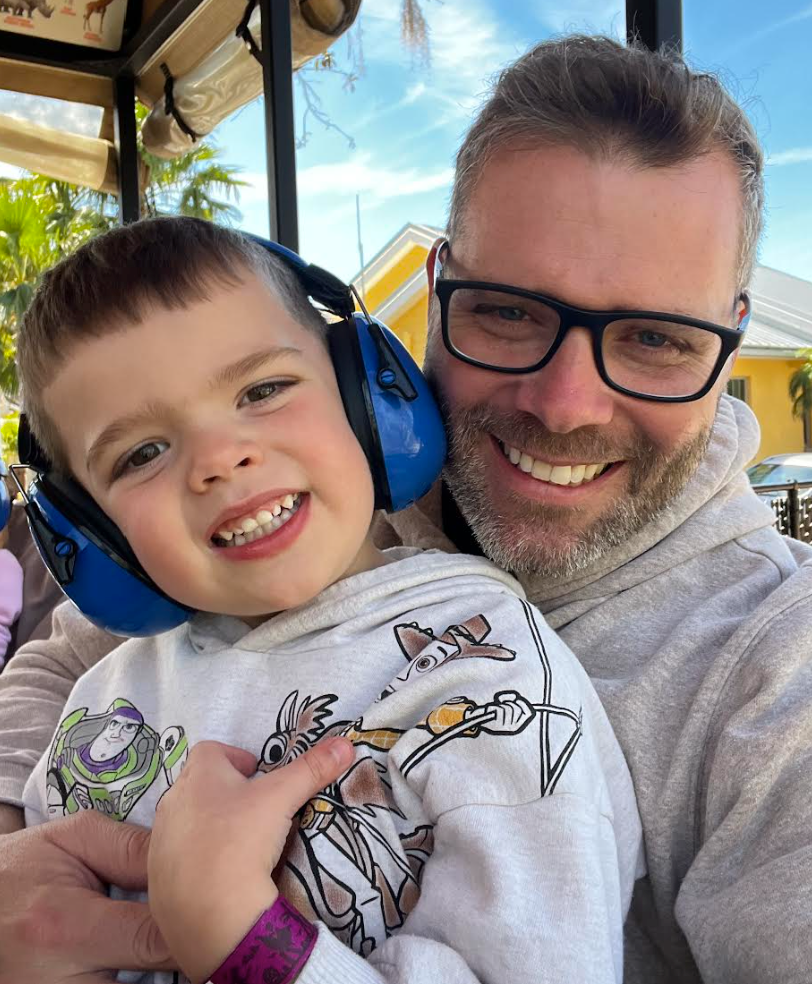
VizyPlan was built by an autism dad and an autism mom who is a licensed speech-language pathologist so the routine you build in session is the same one the family runs at home that night.
Share VizyPlan with your families so the support does not stop at the classroom door. The 7-day free trial lets a family try it first. If it helps, keep going for $6.99/month or $59.99/year.
VizyPlan was built by an autism dad and an autism mom who is a licensed speech-language pathologist who needed something that did not exist. Explore VizyPlan.