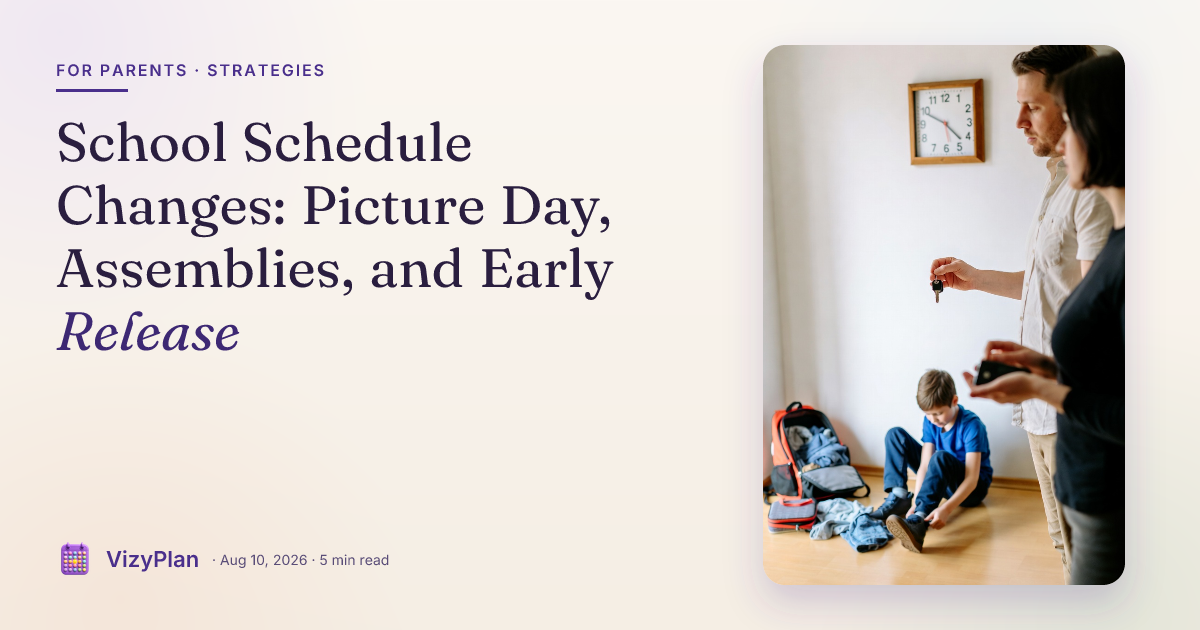


A new baby changes everything for a family. For neurodivergent children, that change carries extra weight. The disrupted routines, unpredictable noises, shifted attention, and reorganized living spaces can create genuine distress that goes beyond typical sibling jealousy.
The good news is that with intentional preparation, most neurodivergent children adjust well to a new sibling. The key is starting early, using strategies that align with how your child processes information, and maintaining the stability they depend on even as the family grows.
Why This Transition Is Harder for Neurodivergent Children
Understanding the specific challenges helps you prepare for the right things rather than guessing.
Routine disruption is the biggest threat. Neurodivergent children often rely on predictable routines to feel safe. A new baby disrupts nearly every routine in the household, from morning schedules to bedtime, mealtimes, and weekend activities. For a child who depends on consistency, this level of change can feel overwhelming.
Sensory overload from baby sounds. Baby crying is loud, unpredictable, and impossible to control. For children with auditory sensitivities, this is not just annoying, it can be genuinely painful and distressing. The cry of a newborn can reach 100 decibels, roughly equivalent to a power tool.
Abstract concepts are hard to grasp. "You're going to be a big brother" is an abstract idea. Neurodivergent children who are concrete thinkers may not understand what a baby actually means for their daily life until it happens, which means the reality hits harder than expected.
Attention changes feel personal. When a parent who previously provided focused one-on-one time suddenly splits their attention with a demanding newborn, neurodivergent children may interpret this as rejection rather than a temporary adjustment.
New items in the environment cause stress. A bassinette in the bedroom, a changing table in the bathroom, a swing in the living room. These physical changes to familiar spaces can create anxiety for children who find comfort in environmental consistency.
Starting Preparation During Pregnancy
The preparation window is longer than most parents realize. Begin months before the due date.
Introduce the concept gradually. Use simple, concrete language: "A baby is growing in Mommy's tummy. The baby will come to live with us." Avoid overloading with information. Let your child absorb one concept before adding more.
Read social stories about new babies. Visual stories that walk through what to expect, what babies look like, what they sound like, and how the family will change provide concrete previews of an abstract future. Reading the same story repeatedly helps neurodivergent children process and internalize the information at their own pace.
Create a visual story personalized to your family. Generic social stories help, but personalized ones are more effective. A visual narrative showing your child's actual home, their room, and where the baby will sleep makes the upcoming change concrete rather than theoretical. Tools that let you create custom visual stories using images your child recognizes turn an abstract "someday" into something they can actually picture.
Introduce baby items slowly. Rather than transforming the house overnight when the baby arrives, bring in items gradually over weeks. Set up the crib early. Place baby blankets where they will eventually go. Let your child adjust to each physical change before adding the next one. Some therapists recommend moving a baby doll through these spaces so the child can see how the items will be used.
Practice with a baby doll. Role-playing with a doll helps your child rehearse interactions they will have with the baby. Show them how to hold, feed, and be gentle. This builds familiarity and can also increase pretend play and social skills.
Begin adjusting routines before the baby arrives. If the baby's arrival will require schedule changes, like a new bedtime routine or a different morning sequence, make those changes now. Your child will have enough to adjust to when the baby arrives. Separating routine changes from the baby's arrival prevents your child from associating all disruption with the new sibling.
Preparing for Sensory Challenges
Baby sounds are the most commonly cited challenge for neurodivergent children adjusting to a new sibling.
Desensitize to baby crying gradually. Play recordings of baby sounds at low volume during calm, positive moments. Gradually increase the volume over days and weeks. Pair the sounds with preferred activities or small rewards so your child builds tolerance while associating the sound with positive experiences rather than anxiety.
Have noise-reducing tools ready. Noise-canceling headphones, earplugs, or a white noise machine in your child's room provide immediate relief when the baby cries. These are not avoidance tools, they are regulation tools that let your child manage their sensory input.
Create a sensory-safe retreat. Designate a quiet space in your home where your child can go when they feel overwhelmed. Stock it with calming items: a weighted blanket, fidget tools, favorite books, or whatever helps your child regulate. Make sure they know this space is always available to them.
Prepare for new smells and textures. Babies bring new sensory experiences beyond sound: diaper smells, formula, lotion, wet wipes. Introduce these products before the baby arrives so they become familiar rather than surprising.
Updating Visual Routines for the New Reality
Your child's daily routine will change when the baby arrives. Visual schedules help make those changes predictable rather than chaotic.
Add baby-related activities to the existing schedule. Rather than creating an entirely new routine, modify your child's current visual schedule to include baby-related moments: "Baby eats," "Quiet time while baby sleeps," "Help with baby." Seeing these new activities within their familiar routine framework reduces anxiety.
Build in protected one-on-one time and make it visible. Schedule specific time for just you and your older child, and put it on their visual schedule where they can see it. When a child can look at their day and see "Special time with Mom" or "Park with Dad" clearly marked, the reassurance is concrete rather than a vague promise that may or may not happen.
Use first-then boards for difficult moments. "First, quiet time while baby naps. Then, playground." When the "then" is clearly visible and motivating, your child can tolerate the "first" more easily because they know exactly what comes next.
Keep the visual schedule accessible. During the chaotic newborn period, the visual schedule becomes even more important. It is the one constant your child can rely on when everything else feels unpredictable. Make sure it is always visible and updated.
Tracking Emotions Through the Adjustment
The weeks and months after a new baby arrives are emotionally complex for neurodivergent children. Tracking how your child feels during this transition reveals patterns you might otherwise miss.
Watch for regression signals. Returning to behaviors they had outgrown, like bedwetting, baby talk, thumb sucking, or increased clinginess, often signals that your child is struggling with the adjustment. These behaviors are communication, not defiance.
Log emotions alongside daily activities. Paying attention to when your child seems most stressed versus most regulated can reveal specific triggers. Maybe they struggle most during feeding times when your attention is divided, or maybe bedtime is harder because the baby disrupts the routine. Tracking feelings tied to specific activities surfaces patterns that inform your approach. You might discover that mornings are fine but afternoons are consistently difficult, which tells you where to add extra support.
Distinguish jealousy from sensory overload. A child refusing to be in the same room as the baby might be jealous, or they might be overwhelmed by the noise and unpredictability. The intervention is completely different depending on the cause. Emotion tracking over time helps you identify which factor is driving the behavior.
Celebrate positive moments with the baby. When your child shows interest, gentleness, or curiosity toward the baby, acknowledge it. A reward system where positive interactions earn points toward something your child wants reinforces the behaviors you hope to see more of. Small, immediate rewards for gentle touches, sharing space calmly, or helping with the baby build motivation organically.
The First Week Home
The initial days after bringing the baby home set the tone.
Introduce the baby during a calm moment. Avoid the chaos of arriving home from the hospital. If possible, have your child meet the baby in a quiet, familiar setting when they are regulated and not hungry or tired.
Bring a gift "from the baby." A small present that the baby "brought" for their big sibling starts the relationship with a positive association.
Maintain the first day's routine as closely as possible. The day your family comes home with the baby should feel as normal as possible for your child. Same meals. Same activities. Same bedtime. The baby is the new element, everything else stays familiar.
Let your child lead their level of interaction. Some children want to hold the baby immediately. Others need days before they are ready to be close. Follow your child's lead without forcing interaction.
Keep visitors manageable. Well-meaning family and friends can overwhelm your home with noise, unfamiliar people, and disrupted routines. Limit visitors in the first few days, or create a visitor schedule that protects your child's need for predictability.
.png)
Handling Behavioral Changes
Expect some behavioral changes and plan for them rather than reacting in the moment.
Increased meltdowns are normal. Your child's emotional regulation capacity is being stretched by enormous change. More frequent meltdowns in the first weeks do not mean the adjustment is failing. They mean your child is processing.
Attention-seeking behavior is communication. If your child starts acting out, getting louder, or doing things they know are against the rules, they are telling you they need more connection. The behavior is the message, not the problem.
Avoid punishing regression. Punishing a child for bedwetting, baby talk, or clinginess during this transition adds shame to an already difficult adjustment. Address the underlying need instead.
Reinforce the "big kid" identity positively. Rather than "You're a big kid now, you should know better," try "You're such a great big brother. Look how gentle you were." Frame their new role as something to be proud of rather than a responsibility to live up to.
Keep therapy and support services in place. If your child receives OT, speech therapy, ABA, or other services, maintain these sessions during the transition. This is not the time to pause supports. If anything, consider increasing session frequency temporarily.
Building the Sibling Relationship Over Time
The first months are about survival. The relationship builds gradually.
Create supervised interaction rituals. Short, structured moments of interaction are better than long, unstructured time together. Five minutes of the older child "reading" to the baby or showing them a toy is more manageable than an open-ended expectation to "play together."
Narrate the baby's responses. "Look, the baby is smiling at you! She likes when you talk to her." This helps your child see the baby as a person who responds to them, building connection.
Give your child a specific role. A "job" related to the baby, like picking out the outfit, bringing a diaper, or singing a specific song, gives your child purpose and ownership in the new family structure.
Photograph positive moments together. Show your child pictures of themselves with the baby. Seeing visual evidence of their sibling relationship reinforces their identity as a big sibling.
Be patient with the timeline. Some neurodivergent children warm up to a new sibling in days. Others take months. Both timelines are normal. Avoid comparing your family's adjustment to anyone else's.
When to Seek Additional Support
Some signs indicate your child may need professional support beyond your home strategies.
Persistent aggression toward the baby requires immediate professional guidance, even if the behavior stems from frustration rather than intent to harm.
Regression lasting more than a few weeks may indicate the child is stuck rather than processing. A therapist can help identify what is driving the continued struggle.
Severe sleep disruption that does not improve with routine adjustments may need professional evaluation.
Complete withdrawal from family interaction, including avoiding the baby entirely after the initial adjustment period, warrants attention.
Your own burnout. If you are stretched too thin to implement strategies effectively, reaching out for support is not a failure. It is parenting.
The Bigger Picture
Adding a sibling to a neurodivergent family is a significant transition, but it is also an opportunity. Siblings of neurodivergent children often develop extraordinary empathy, patience, and advocacy skills. And neurodivergent children who adjust to a new sibling are practicing flexibility, sharing, and emotional regulation in ways that build lifelong skills.
The preparation matters more than perfection. You will not get everything right, and some days will be genuinely hard. What matters is that your child feels seen, supported, and secure in their place in the family, even as that family grows.
VizyPlan helps families navigate big transitions with visual routines, social stories, emotion tracking, and reward systems that support your child through every change. Start your free trial and give your child the visual support they need.