You handed the family a data sheet three weeks ago. It comes back with four entries, all from the first two days, and an apologetic note in the margin. The reflex is to read that as low buy-in. It is almost never low buy-in. Home data collection fails for the same reason clinical fidelity data fails, which is that the system asked for more than the moment could give. Designing home data collection around a tired parent at 7 a.m. is not lowering your standards. It is the only way to get data at all.
Clinic observation misses what home sees
Start with the finding that should change how you weigh caregiver report. In a multi-site randomized trial analysis in Research in Autism Spectrum Disorders, 126 of 168 children showed zero disruptive behavior during structured direct observation at baseline, even though moderate disruptive behavior was required to enroll. The observation measure could not detect group differences that parent-report and clinician-rated measures found significant. The behavior did not disappear. The clinic simply was not where it lived.
Parent report holds up better than its reputation, too. A comparative study of 109 toddlers found no significant differences between parent report and direct assessment for receptive or expressive language. Where the two diverged, parents tended to report skills direct testing had missed, so add a light verification step rather than discounting the report.
Even clinicians cannot sustain heavy data systems
Before assigning blame to families, look at the professional baseline. A 2024 survey of 203 BCBAs found most collected procedural-fidelity data on 20 percent or fewer of their supervision sessions, for logistical reasons: lack of resources, no employer requirement, limited time, heavy caseloads. Trained clinicians with dedicated time struggle to sustain effortful data collection. A parent mid-meltdown will not outperform them.
Design home data collection around the moment
The case for pushing work home is strong. A meta-analysis of 51 effect sizes found parent-implemented intervention produced moderate overall benefits. One caution: that same analysis found no measured characteristic, including dosage and fidelity, significantly moderated outcomes. The authors called it unexpected, and the likeliest explanation is inconsistent fidelity measurement across studies rather than fidelity being unimportant. Do not read it as permission to stop checking.
- Pick one target, not five. A single behavior tracked for two weeks beats five tracked for two days.
- Make the entry a tap, not a sentence. Yes or no, or a simple count, answers most clinical questions.
- Anchor it to a routine that already happens. Attach data to bedtime or the bus, never to a free-floating reminder.
- Use what you already get for free. A completed visual routine is data whether or not anyone calls it that.
- Show the family their own graph. Caregiver self-efficacy rose across 33 randomized trials of caregiver-mediated intervention, and seeing progress is part of why.
Enjoying this article?
Get practical tips and insights delivered to your inbox — no spam, ever.
Let the routine do the recording
The lightest data system is the one nobody has to remember. When a family already runs a visual routine, completion gets captured as a byproduct, and you walk into the next session with two weeks of real home data instead of an apology. Our post on telehealth parent coaching pairs well with this one.
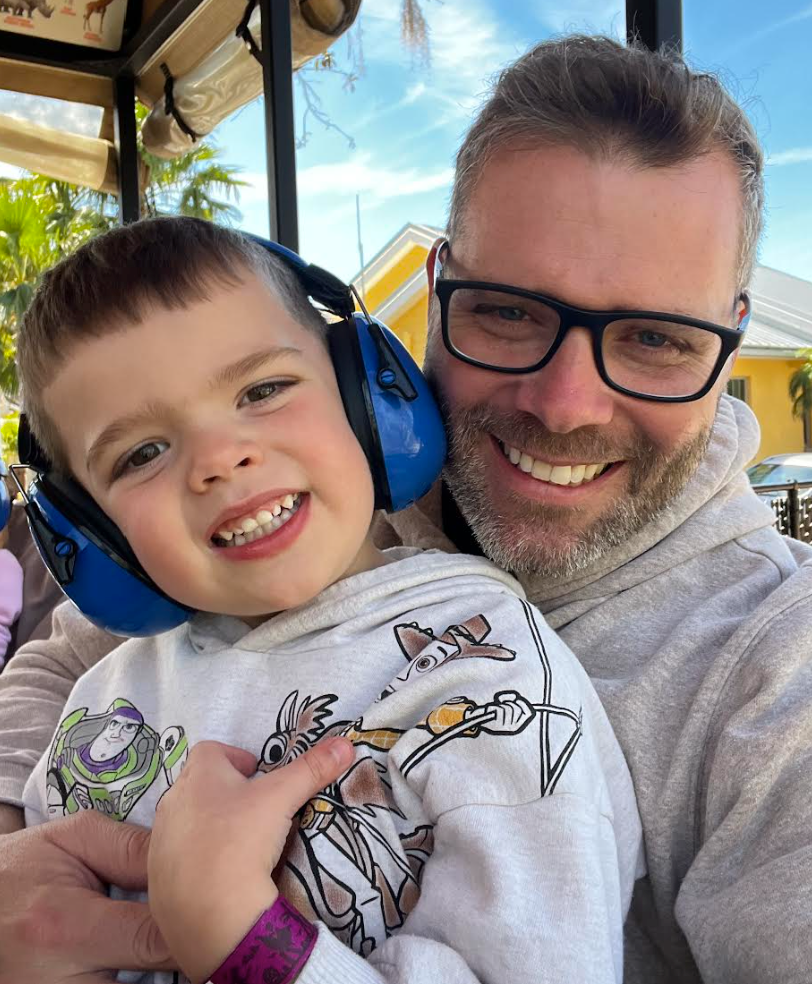
VizyPlan was built by an autism dad and a licensed speech-language pathologist so the routine a family already runs quietly becomes the data you need.
Share VizyPlan with your families so home data collects itself instead of becoming homework. The 7-day free trial lets a family try it first. Just $6.99/month after, no credit card required upfront.
VizyPlan was built by an autism dad and a licensed speech-language pathologist who needed something that did not exist. Explore VizyPlan.