A new wave of brain research is reshaping how scientists describe autism, and the headline is one many parents felt long before a study confirmed it. Autism is not one thing. In 2026, researchers identified two biologically distinct autism subtypes, each tied to a different pattern of how the brain communicates with itself. If you have ever looked at the tidy autistic child in a clinic pamphlet and thought that is nothing like my kid, the science is finally catching up to your living room.
What the autism subtypes research actually found
A study published in Nature Neuroscience analyzed brain scans from nearly 2,000 people, including 940 autistic individuals, and found two clear patterns. In one subtype, brain regions communicate more than usual, a pattern called hyperconnectivity that the researchers linked to immune and gene-expression differences. In the other, regions communicate less, a pattern called hypoconnectivity tied to how brain cells form connections at the synapse. The team even matched these patterns across species in mouse models. The Child Mind Institute and Autism Speaks both framed the finding as a real step toward precision care.
Why autism subtypes matter for families, not just labs
Three honest takeaways for parents.
- It validates what you already see. Two children can share the same diagnosis and need completely different things. The biology now backs up that lived reality.
- It points toward personalized support. The long-term promise is care matched to a child's actual profile rather than a one-size protocol. That future is years away, but the direction is set.
- It does not change what helps tomorrow. No brain scan reorders your morning. Your child still benefits most from the supports built around who they actually are.
Enjoying this article?
Get practical tips and insights delivered to your inbox — no spam, ever.
What to do with this news at home
The practical answer has not changed, and that is reassuring. Watch your specific child, not the category. Notice which supports lower their stress and which raise it, and build the day around the answer. Personalized care is not something you wait for a lab to deliver. You already practice it every time you adjust a routine to fit your kid. If a formal evaluation is on your mind, our guide to what comes next after an autism diagnosis walks through the steps.
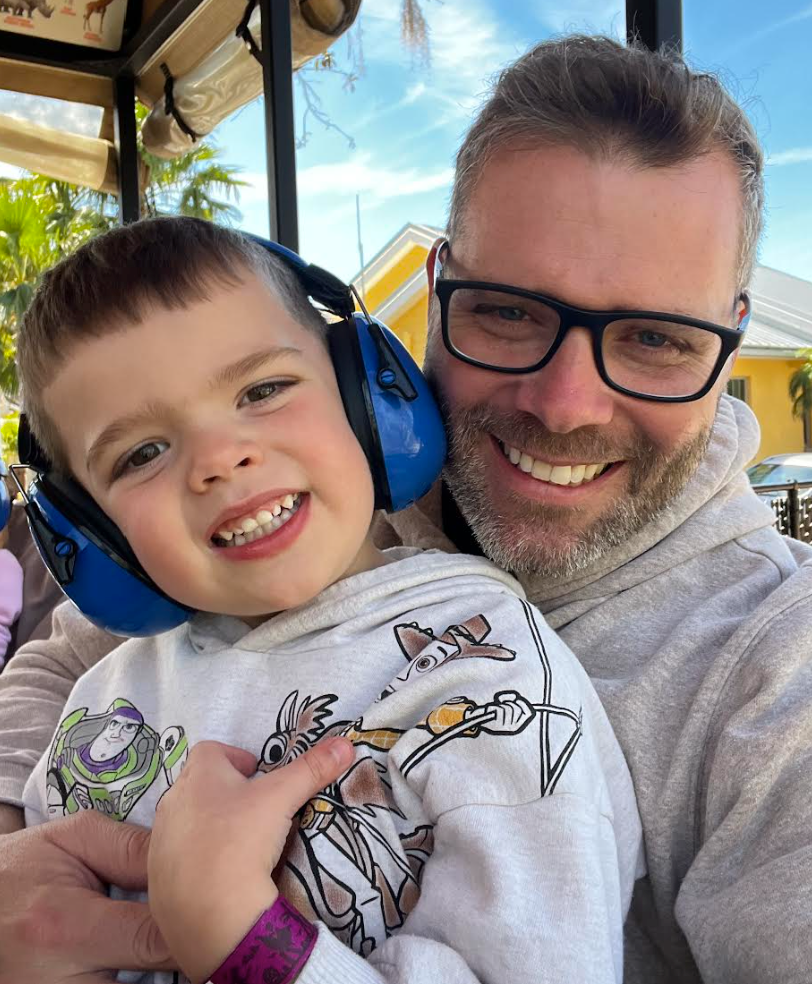
VizyPlan was built by an autism dad whose son needed a day built around him, not around a label. The photos are your actual child, the routines are your actual home, and the plan bends to the kid in front of you.
Download VizyPlan and start your 7-day free trial today. Build the day around your actual child. Just $6.99/month after your trial, no credit card required upfront.
VizyPlan was built by an autism dad who needed something that did not exist. Start your free trial.